Psychology uses the concepts of personal space and territory to study how we perceive and try to protect our physical and emotional space.
Personal space and territory are important concepts that greatly influence human interaction. In particular, people's positions in table or seating arrangements can reflect the closeness or relationships between them.
In this article, we will explore differences in personal space according to closeness, the psychology of seating positions at a table, distinctions between territories, and overcrowding in which the concept of territory is disregarded.
Differences in Personal Space According to Closeness
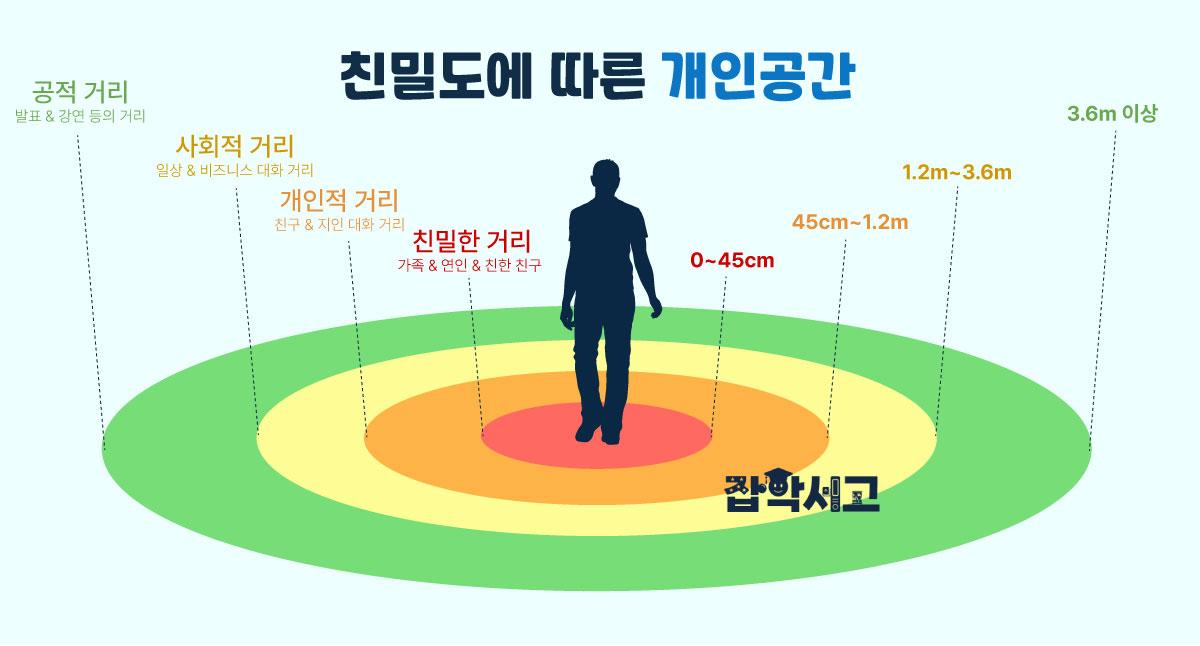 Personal Space According to Closeness
Differences in personal space according to closeness are one of the concepts used to explain the physical and psychological distance between individuals. This concept relates to the 'invisible boundaries' or 'personal territory' that people establish around themselves.
In the early 1970s, psychologist Edward T. Hall introduced the term 'proxemics' to study the physical distance between people and how that distance affects human interaction.
He divided personal space into four categories accordingly: intimate distance, personal distance, social distance, and public distance.
Intimate distance: A distance between 0 and 45 cm, at which the most personal and emotional interactions take place. It may include physical contact with family members, romantic partners, or very close friends.
Personal distance: Generally a distance between 45 and 120 cm, suitable for conversations with friends or family members.
Social distance: Approximately a distance between 1.2 and 3.6 m, suitable for interactions in everyday conversations or business situations.
Public distance: A distance of 3.6 m or more, suitable for presentations or lectures in public places.
However, these distinctions between distances can vary depending on various factors, including culture, individual personality, and the situation. For example, different cultures may have different standards for 'intimate distance' or 'private distance.'
Some people may have wider personal boundaries and need more personal space than others.
Understanding how physical distance between people affects interaction plays an important role in improving the quality of communication and interaction in social situations.
The Psychology of Seating Positions at a Table
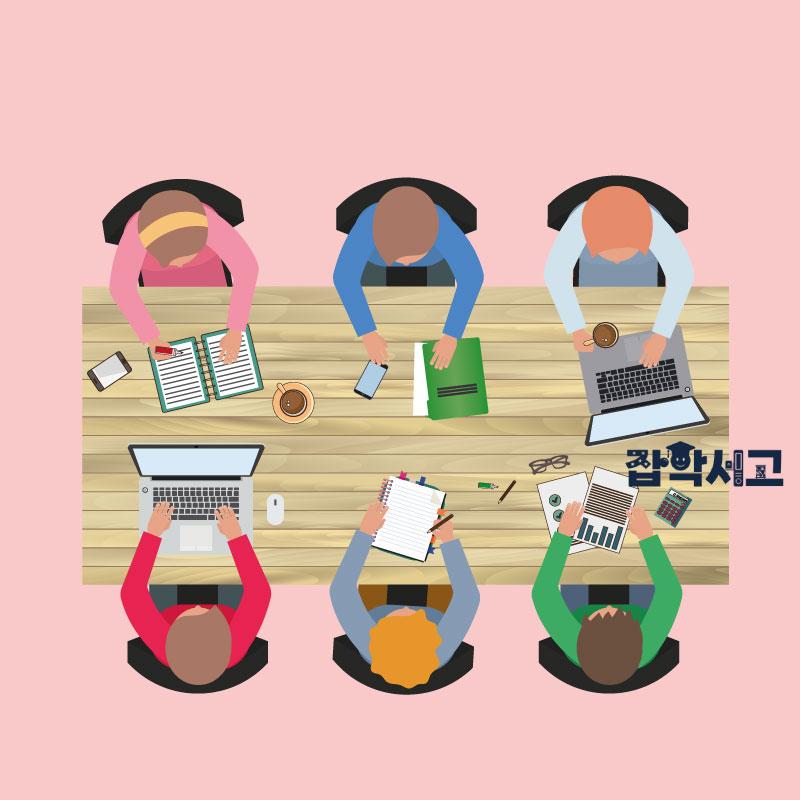 The Psychology of Seating Positions at a Table
Seating arrangements at a table and the resulting positions of people can provide interesting insights into their psychological states, relationships, and roles within a group.
Where people sit at a table can also reflect their personalities, relationships, power dynamics, and other factors.
The Head of the Table
Traditionally, the person sitting at the head of the table may hold authority or leadership within the group. At meetings or family dinners, this position is often occupied by the decision-maker or main speaker.
The Center of the Table
People who sit at the center of the table tend to want active interaction within the group or to fulfill a role as a core member of the group. This position is often popular with sociable people who like to participate.
The Corner or End of the Table
People who sit in these positions may prefer the role of an observer or want to stay outside the group's main interactions. Some people may feel more comfortable in these positions.
Face-to-Face vs. Side-by-Side
Sitting directly opposite someone at a table signifies direct conversation and exchange. By contrast, sitting side-by-side can feel less aggressive and more intimate.
Physical Distance
The physical distance from others at a table can indicate closeness and the depth of relationships. A short distance may indicate a close relationship, while a greater distance, such as a diagonally opposite seat, may indicate a more distant relationship.
These observations can help us understand individual preferences, relationships within a group, and roles. However, they should be interpreted with cultural and individual differences in mind and may apply only to particular situations and contexts.
Distinctions Between Territories
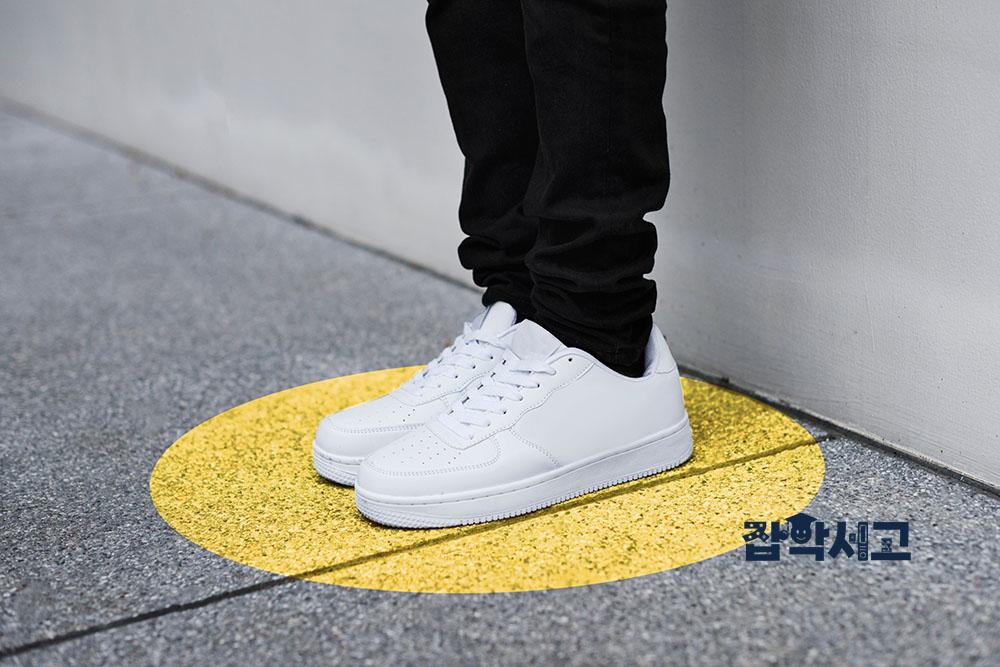 Most people need a territory of their own.
The concept of 'distinctions between territories' is primarily addressed in discussions of human psychological space and the establishment of boundaries. It relates to fields that study how people perceive their personal space, protect that space, and establish boundaries with the outside world.
Personal Space
Personal space refers to the physical distance from other people. People's needs and expectations regarding personal space differ and vary according to culture, personal experience, personality, and the situation. When someone intrudes on their personal space, they may feel uncomfortable or react defensively.
Territoriality
Territoriality refers to the tendency of individuals or groups to regard a particular space as their own and to mark or defend that territory. For example, territoriality can be observed in spaces such as a spot in an office, one's own room, or a particular seat at school.
Boundaries
Psychological boundaries refer to the imaginary lines people establish between themselves and others. They relate to an individual's emotions, thoughts, needs, and other aspects, and concern how people establish and maintain these boundaries when interacting with others. Healthy boundaries are important for protecting oneself and achieving an appropriate balance in relationships with others.
Cultural Influences
Culture greatly influences distinctions between territories. For example, physical contact or close proximity may be considered a sign of intimacy in some cultures but an intrusion on personal space in others.
These distinctions between territories are important concepts for understanding human psychology and behavior, and they are applied and studied in various fields, including social interaction, workplace behavior, and family relationships.
Overcrowding in Which the Concept of Territory Is Disregarded
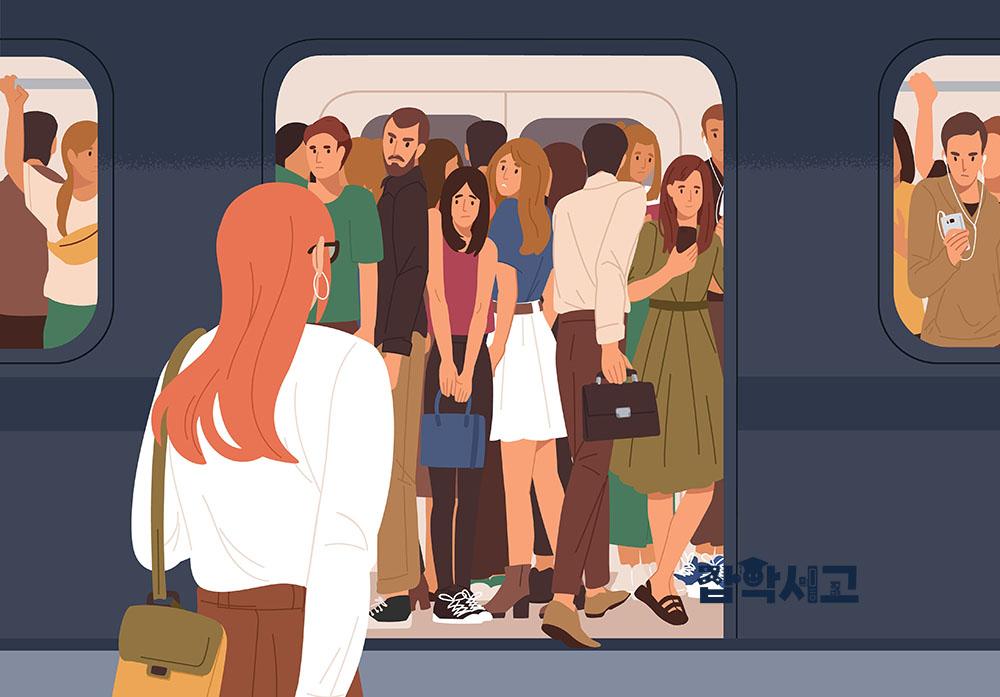 In overcrowded conditions, the concept of territory is sometimes disregarded.
Overcrowding refers to situations in which, for some reason, the significance of people's personal space or boundaries disappears or is greatly reduced. These situations mainly occur where population density is high or space is limited, and refer to environments in which physical and psychological interference between people occurs frequently.
In overcrowded environments, people are positioned very close to one another, making it difficult to establish personal space or boundaries. Intrusions on personal space are common in these environments and can cause stress or discomfort.
For example, on transportation in large cities, such as subways and buses, personal space is greatly reduced because people are packed together excessively during commuting hours.
In these situations, people suppress their instinctive response to protect their personal space, which can lead them to tend to ignore the presence of others.
We have now explored personal space according to closeness, the psychology of seating positions at a table, distinctions between territories, overcrowding, and related topics.
From a psychological perspective, personal space and territory are important concepts that greatly influence interactions and closeness between people.
Depending on their level of closeness, individuals vary the size and shape of the personal space they seek to maintain around themselves, and this also affects the formation of relationships between people.
Based on this understanding, we can adjust interactions harmoniously by taking seating arrangements and individuals' personal space into account.