People today live in an age of information overload, with information pouring indiscriminately through the media. This has brought the importance of media literacy to the forefront.
Media literacy refers to an individual's ability to interpret, evaluate, and create media content. It includes the ability to understand the structure and symbols of media messages and think critically, as well as the ability to understand the meaning and purpose of media content and respond appropriately.
This material will explore the importance of media literacy, who needs it, and ways to improve it.
The Importance of Media Literacy
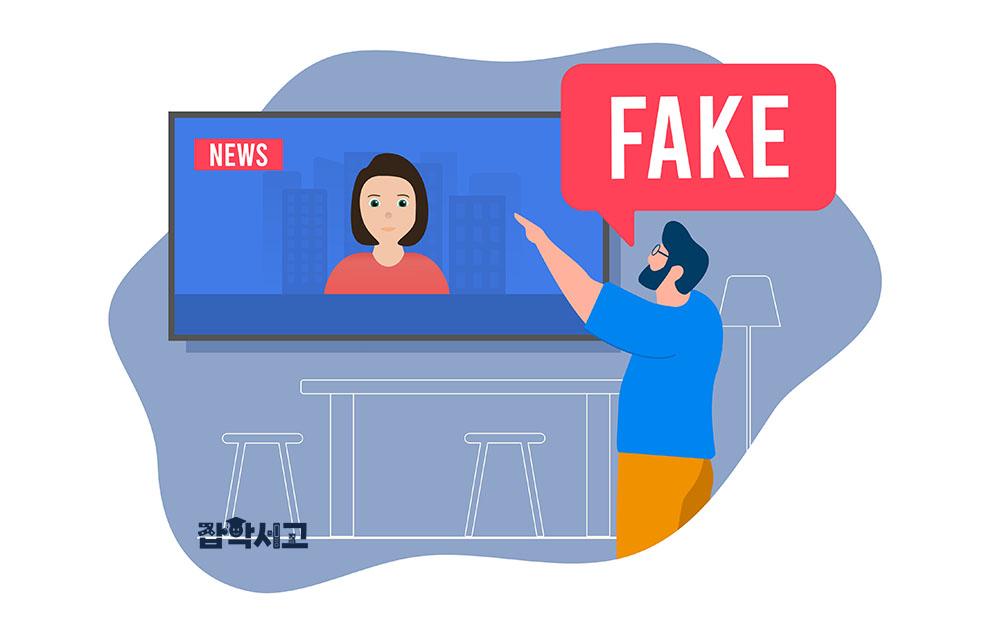 The ability to view media and make judgments about it is necessary.
Media literacy enables individuals to develop the ability to think critically about and analyze media content instead of simply accepting it. This allows them to evaluate the bias, neutrality, and purpose of media and determine whether information is true or false.
Media literacy is essential to avoid being influenced by various media messages, such as advertising, propaganda, and media manipulation (manipulation: manipulation). With sound media literacy skills, individuals can identify the intentions or purposes of media and respond appropriately.
Media literacy also includes the ability to create and share media content. This is essential for individuals to convey information and communicate effectively in the digital age.
In modern society, the forms and channels of media are constantly changing. Media literacy enables individuals to respond quickly to these changes and adapt to new media environments.
Media literacy also plays an important role in helping individuals make informed decisions and encourage healthy dialogue and discussion in a democratic society.
When Is Media Literacy Education Needed, and Who Needs It?
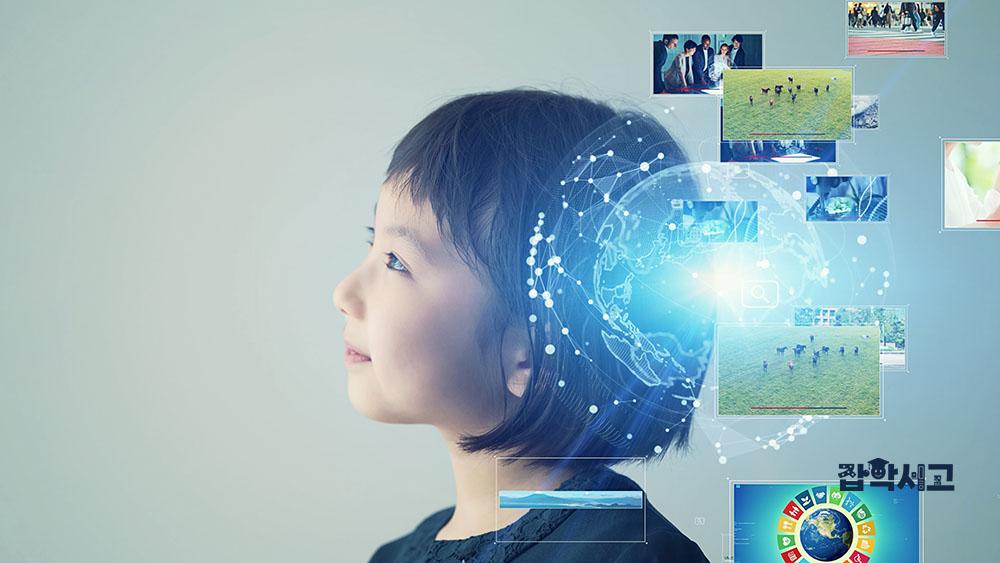 It is a concept that everyone needs, including children.
Considering the influence of media in modern society, media literacy education can be seen as an educational field needed by nearly all age groups and populations. Let us examine more specifically who needs this education.
Children and Adolescents
Today's children and adolescents are digital natives who interact with media in many aspects of their lives. However, they may not yet have sufficient ability to critically analyze media content or understand its intentions or purposes. Media literacy education is therefore essential for them.
Adults and Middle-Aged and Older Adults
As digital immigrants, adults and middle-aged and older adults are experiencing the transition from the traditional media environment to a new digital media environment. They need support to adapt to the new media environment and make sound judgments in an increasingly complex information environment.
Older People
Advances in the digital age have also brought older people into contact with digital devices and media content. They need to learn not only how to use new technologies but also to improve their ability to understand and evaluate complex media messages.
Educators
Media literacy education is also needed by teachers, educators, parents, and others who play a role in nurturing future generations. Developing media literacy will greatly help them pass that knowledge on to their students or children.
Professionals and Researchers
Media literacy education is also important for professionals and researchers working in various fields, such as media, advertising, marketing, and PR. Developing media literacy will enable them to pursue more ethical and effective media communication.
Ways to Improve Media Literacy
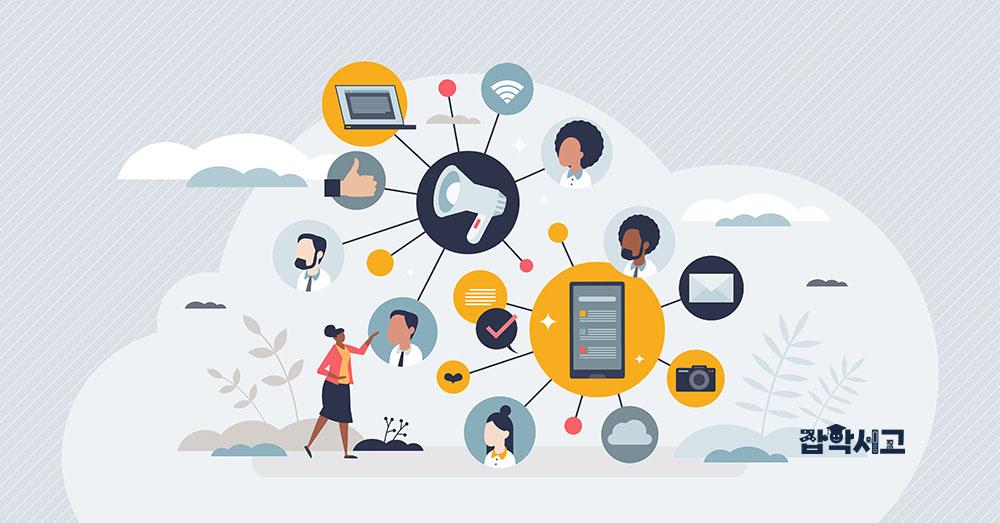 What Are Some Ways to Improve Media Literacy Skills?
Improving media literacy requires a range of educational approaches and practical activities. The following are ways to improve it effectively.
Education and Workshops
Participate in workshops or educational programs on media literacy to acquire basic concepts and skills. These programs may be offered at schools, universities, and local community centers.
Developing a Habit of Critical Thinking
Instead of simply consuming media content, develop the habit of consistently questioning and analyzing its sources, purposes, and techniques.
Exploring Diverse Media Sources
Develop the habit of obtaining information through various media instead of relying on a single media source. This improves your ability to compare and evaluate different perspectives and interpretations.
Hands-On Experience Creating Media
Creating media content yourself can give you a deeper understanding of media structures and methods of conveying messages. For example, making a short video or creating a blog or portfolio is a good way to gain this experience.
Discussion and Dialogue
Through discussions about media content, listen to various opinions and perspectives and practice expressing your own thoughts.
Research and Self-Study
Continue learning and researching through books, academic papers, online resources, and other materials related to media literacy.
Supporting Media Literacy Campaigns
Participate in social campaigns or projects aimed at improving media literacy, or initiate them yourself to raise your community's level of media literacy.
Media literacy can be improved through ongoing effort and practice. It is important to use the methods above as a guide to continually develop your media literacy skills.
Positive Effects of Developing Media Literacy Skills
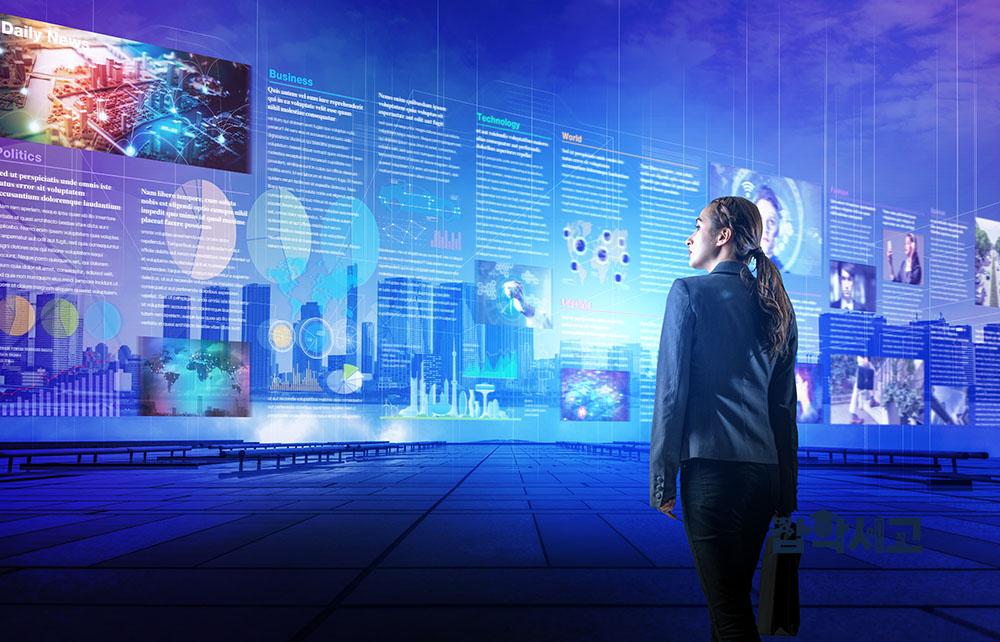 Positive Effects of Media Literacy
Strengthening Social Skills
Developing media literacy skills brings various positive effects to individuals and society as a whole. It strengthens the ability to protect oneself from the influence of advertising and propaganda, while also increasing understanding of various media channels and formats and improving the ability to convey information and communicate more effectively.
Exposure to diverse media content also increases understanding of society and culture and promotes integration and harmony within society. People with media literacy also tend to participate more actively in society and media. This can result in the formation of a healthier democratic society.
Strengthening Individual Abilities
By analyzing various media messages and thinking critically, media literacy can help individuals solidify their opinions or positions. It also improves efficiency and effectiveness in various activities involving media, such as learning, work, and recreation.
It also provides the foundation needed to adapt quickly to the constantly changing media environment of the digital age and learn new technologies and trends.
In addition, it enables individuals to develop the ability to think critically about and analyze media content instead of simply accepting it. This allows them to identify the bias, neutrality, and purpose of media and determine whether information is true or false.
We have now explored the concept and importance of media literacy, ways to improve these skills, and related topics.
Developing media literacy skills is an important factor that contributes to individuals' learning and daily lives, social development, and the strengthening of democracy. Media literacy is also an essential ability for people living in an age of information overload and a core competency needed to properly understand, interpret, and respond to media content.
Media literacy education can be viewed as education that everyone in modern society needs, and its importance should be emphasized even more, particularly in the current situation where media are becoming increasingly diverse and complex.