Deepfake technology is a video and audio synthesis technology born out of advances in artificial intelligence (AI) and machine learning, producing results so sophisticated that they are difficult to distinguish from reality. This technology has the potential to bring innovative changes to various fields of application, but it also carries ethical issues and social risks.
This article provides an in-depth analysis of the historical development and major stages of deepfake technology, its applications in modern society, its potential risks and ethical issues, and international regulations and response measures.
The History and Major Stages of Deepfake Technology Development
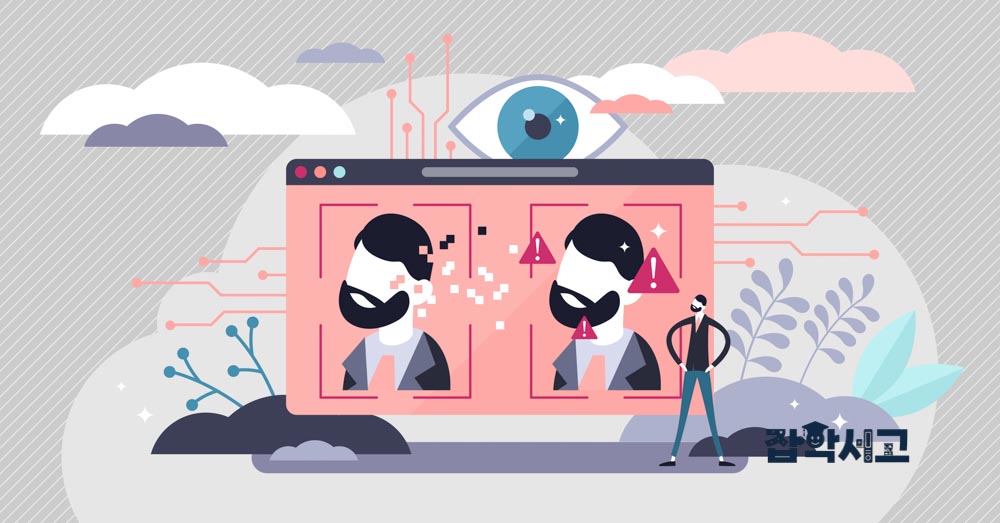
The history of deepfake technology began alongside advances in artificial intelligence (AI) and machine learning. It initially started with simple face-swapping technology, but its scope has now expanded into various areas, including speech synthesis, image restoration, and video generation. This process involved important turning points and stages of development, and these technological advances have greatly improved the sophistication of deepfakes.
The Birth of GANs and the Beginning of Deepfake Technology
The starting point of deepfake technology was GAN (Generative Adversarial Network) technology, introduced in 2014. A GAN works through two neural networks, a generator and a discriminator, that learn by competing with each other, dramatically improving the quality of the data generated. Proposed by Ian Goodfellow, this technology forms the foundation of deepfakes and enabled a major leap in the quality of early deepfake video generation. GANs were used particularly to swap people's faces in video content, forming the first stage of deepfake technology.
GAN Variants and Improvements
As GAN technology advanced, various modified models emerged, greatly improving the sophistication and realism of deepfakes. In particular, technologies such as StyleGAN and ProGAN made it possible to portray even fine facial details with precision, producing more natural synthetic videos. These technological improvements enhanced the quality of deepfake videos and made it possible to produce more realistic results. GAN variants were applied beyond simple facial synthesis to the generation and modification of various types of image and video content.
The Introduction of Speech Synthesis Technology
As deepfake technology developed, speech synthesis technology also emerged as an important component. WaveNet, a deep learning model, learned from speech data to imitate human voices almost perfectly, making it possible to combine deepfake video and audio. The introduction of speech synthesis technology made it possible to go beyond simple video synthesis and create more polished synthetic content by combining video and audio. This provided the ability to manipulate audio and video simultaneously, expanding the range of uses for deepfakes.
Advances in Real-Time Deepfake Technology
Deepfake technology has advanced to the point where it can transform faces and voices in real time. Technologies such as NVIDIA's Maxine project have opened up the possibility of using deepfakes even during live streaming. Real-time deepfake technology can be used in various real-time applications, including broadcasting, gaming, and video conferencing, laying the groundwork for deepfake technology to be applied across a wider range of industries.
Advances in Deepfake Detection Technology
Alongside the development of deepfake technology, technologies for detecting and defending against it have also advanced. As deepfakes have become increasingly sophisticated, various machine learning techniques have been developed to detect them. These detection technologies are essential for preventing the misuse of deepfakes, and various research and development efforts are still underway. Advances in detection technology are an important step toward reducing the social risks that deepfake technology can bring, and they help support the positive use of deepfakes.
Applications of Deepfake Technology
Deepfake technology is showing the potential to bring innovative changes to various industries. Its uses are expanding beyond a simple tool for amusement into fields such as media and entertainment, education, healthcare, security, and advertising.
Media and Entertainment
Deepfake technology is driving innovative changes in media and entertainment. It enables various applications, such as swapping actors' faces or recreating historical figures, helping reduce film production costs and provide new forms of content. For example, the 'Star Wars' series successfully recreated a young Carrie Fisher using deepfake technology. Such technology enhances visual immersion while helping overcome production constraints caused by actors aging or dying.
Education
Deepfake technology can also be highly useful in education. By recreating speeches by historical figures or celebrities, it provides students with vivid learning experiences and improves the quality of education. It can be particularly effective in history education or language learning. For example, recreating President Lincoln's speeches with deepfake technology and presenting them to students allows learners to experience the circumstances of that time more vividly. Deepfake technology can also be applied to the creation of learning content that incorporates virtual instructors or virtual reality.
Healthcare
In healthcare, deepfake technology can be useful for mental health diagnosis and treatment through the analysis of patients' facial expressions and the recognition of their emotions. Deepfake technology serves as a tool that can facilitate communication between medical staff and patients who need nonverbal communication. For example, deepfake technology can be used to analyze subtle changes in the facial expressions of patients with autism spectrum disorder and suggest appropriate treatment approaches based on those findings. It can also help establish personalized treatment plans by accurately identifying patients' emotions.
Security
Deepfake technology can also play an important role in security. It can improve facial recognition technology for use in crime prevention and investigations. For example, systems can be built to analyze CCTV footage in real time, detect suspicious behavior, and alert the police when necessary. This can contribute significantly to preventing crimes before they occur, but a cautious approach is needed because facial recognition technology also has the potential to be misused. Deepfake technology can also be used in investigations to reconstruct criminals' faces or recreate the appearance of missing persons.
Advertising
Deepfake technology can be used in advertising to produce personalized advertisements and conduct targeted marketing. It can recognize consumers' faces and provide advertisements suited to them, or synthesize celebrities' faces to maximize advertising effectiveness. This helps increase the personalization and effectiveness of advertising, making it possible to generate greater advertising revenue. For example, it can increase consumers' sense of familiarity with a brand by providing an experience that makes them feel as though they are participating in an advertisement themselves. However, ethical issues related to personal data protection must also be considered.
Social Media
Deepfake technology is also being applied in various ways on social media platforms. It helps users create their own unique content, contributing to more active use of social media. For example, content in which users insert their own faces into scenes from famous films or music videos and share the results is gaining popularity. However, these applications require caution because they may give rise to ethical issues and cases of misuse. This is because content created using deepfakes could be mistaken for misinformation or damage an individual's reputation.
As these examples show, deepfake technology has the potential to bring innovative changes to various fields, and making positive use of this potential requires social consensus and legal regulation as well as technological advances.
Potential Risks and Ethical Issues of Deepfake Technology
The development of deepfake technology has the potential to bring various positive changes, but it also entails serious potential risks and ethical issues. These problems can take various forms, including invasions of personal privacy, malicious use, political turmoil, ethical controversy, technological abuse, and declining social trust.
Privacy Invasion
Deepfake technology has made it easy for anyone to synthesize another person's face or voice. This creates a risk of serious invasions of personal privacy. In particular, when deepfake technology is misused to produce pornography or false information, victims can suffer extreme psychological distress. Such invasions of privacy undermine individuals' dignity and are emerging as a serious social problem because the harm is difficult to remedy.
Malicious Use
Because of its characteristics, deepfake technology is highly likely to be used for malicious purposes. It can be used in various forms of crime, including manipulating statements by political figures or celebrities to spread false information and altering voices to commit financial fraud. Such malicious use can cause widespread turmoil throughout society, undermine victims' trust, and create social anxiety.
Causing Political Turmoil
Fake news created using deepfake technology is highly likely to be accepted as truth by the public. This can cause political turmoil and amplify social distrust. Its danger is particularly serious because it can threaten democracy. In fact, political propaganda using deepfake technology has become a problem in several countries, and attempts to manipulate public opinion through it occur frequently.
Ethical Controversy
There is also ethical controversy surrounding the use of deepfake technology. Since technological advances are not always used for positive purposes, social consensus is needed on how to regulate and manage them. In particular, synthesizing an individual's face or voice without their consent raises serious ethical issues. Such actions infringe on individuals' personality rights, making it necessary to raise awareness of technological abuse.
The Risk of Technological Abuse
As deepfake technology becomes increasingly sophisticated, detecting and distinguishing deepfakes is becoming more difficult. This means that legal responses and regulation may become even more challenging. Because the technology is advancing so rapidly, cases of misuse are highly likely to increase, and preparations are needed. The development of detection and authentication technologies to prevent the abuse of deepfake technology is therefore urgently required.
Declining Social Trust
The development of deepfake technology carries a potential threat of undermining social trust. As people find it increasingly difficult to distinguish what is true from what is fake, distrust of media and information may grow. This can lead to social instability and even threaten the foundations of democracy and the rule of law. Preventing these problems requires technological, legal, and social responses, as well as efforts on multiple fronts.
Deepfake Regulation and Response Measures: An Analysis of International Cases
To address the ethical issues and potential risks of deepfake technology, countries around the world and international institutions are developing various regulations and response measures. Analyzing these cases can help identify effective regulations and responses and provide important lessons for preventing the misuse of deepfake technology.
The United States' Response
The United States is introducing various legal regulations to prevent the misuse of deepfake technology. In particular, California passed legislation prohibiting the distribution of false information using deepfakes during election periods. This legislation focuses on preventing the manipulation of political figures' images to confuse voters during election periods and on maintaining fair elections. Legislation to prevent the misuse of deepfake technology is also being discussed at the federal level, and measures to minimize the impact of deepfakes are being considered, particularly in relation to cybersecurity issues.
The European Union's (EU) Response
The European Union (EU) is strengthening personal data protection through the GDPR (General Data Protection Regulation) and is also developing additional regulations to prevent the misuse of deepfake technology. In particular, the EU is introducing regulations requiring content generated using deepfake technology to be clearly identified as a deepfake, in order to improve its transparency. These measures are becoming an important means of protecting personal privacy and preventing harm caused by deepfakes across Europe. The EU is also strengthening ethical guidelines across artificial intelligence (AI) technologies to prevent the abuse of deepfake technology.
China's Response
China is introducing strict regulations as cases of misuse increase alongside the development of deepfake technology. In 2020, it passed legislation prohibiting the production and distribution of fake news and pornography using deepfake technology. Through this legislation, the Chinese government is focusing on preventing the abuse of deepfake technology and maintaining social stability. China is also working to develop technologies for identifying and blocking deepfake content and has introduced real-time monitoring systems using artificial intelligence to rapidly detect illegal content related to deepfakes.
South Korea's Response
South Korea recognizes the potential risks of deepfake technology and is establishing legal mechanisms to regulate it. In particular, the Information and Communications Network Act prohibits the production and distribution of deepfake pornography and imposes strict penalties for violations. Through these legal regulations, South Korea is preventing the misuse of deepfake technology and strengthening victim protection. Research into the development of deepfake detection technology is also actively underway, and the government and private companies are collaborating to develop various detection solutions. These technological responses play an important role in preventing harm caused by deepfakes before it occurs.
International Cooperation
International cooperation is essential because the potential risks of deepfake technology can cross national borders. International organizations such as the United Nations (UN) are developing global regulatory frameworks to prevent the misuse of deepfake technology and promoting cooperation among countries. The UN is proposing international standards to its member states to encourage the ethical use of deepfake technology and prevent its misuse. International cooperation also helps countries respond effectively to deepfake issues through information sharing and technical support.
Developing Deepfake Detection and Defense Technologies
Developing detection and defense technologies is essential for preventing the misuse of deepfake technology. Various countries, companies, and academic institutions are collaborating to develop technologies capable of detecting and defending against deepfakes, with the aim of preventing the misuse of deepfake technology. For example, Facebook and Microsoft are holding a deepfake detection competition to identify innovative detection technologies. Researchers from around the world participate in this competition to develop and validate various deepfake detection algorithms. These technological efforts are making deepfake detection more sophisticated, which plays an important role in preventing the misuse of deepfake technology.
These international responses and cooperation concerning deepfake technology must continue to be strengthened, and doing so can help minimize its negative impact on society and identify positive ways to use it.
The development of deepfake technology has the potential to bring innovative changes to various fields, but it also entails ethical issues and social risks. Addressing these problems requires legal regulation and social consensus as well as technological advances.
Through international cooperation and various response measures, we must prevent the misuse of deepfake technology and explore ways to use it positively. Continued efforts are needed to ensure that deepfake technology can have a positive impact on society.