Understanding and managing a dog's characteristics and behavior is an important task for everyone who raises a dog. In this article, I want to take an in-depth look at dogs' physical and physiological characteristics, the various breeds and the unique behavior of each, an analysis of common behavior patterns and their meanings, and ways to solve behavior problems and manage dogs effectively. With this information, you will be able to strengthen your relationship with your dog and maintain a healthy and happy life together.
Physical and Physiological Characteristics of Dogs
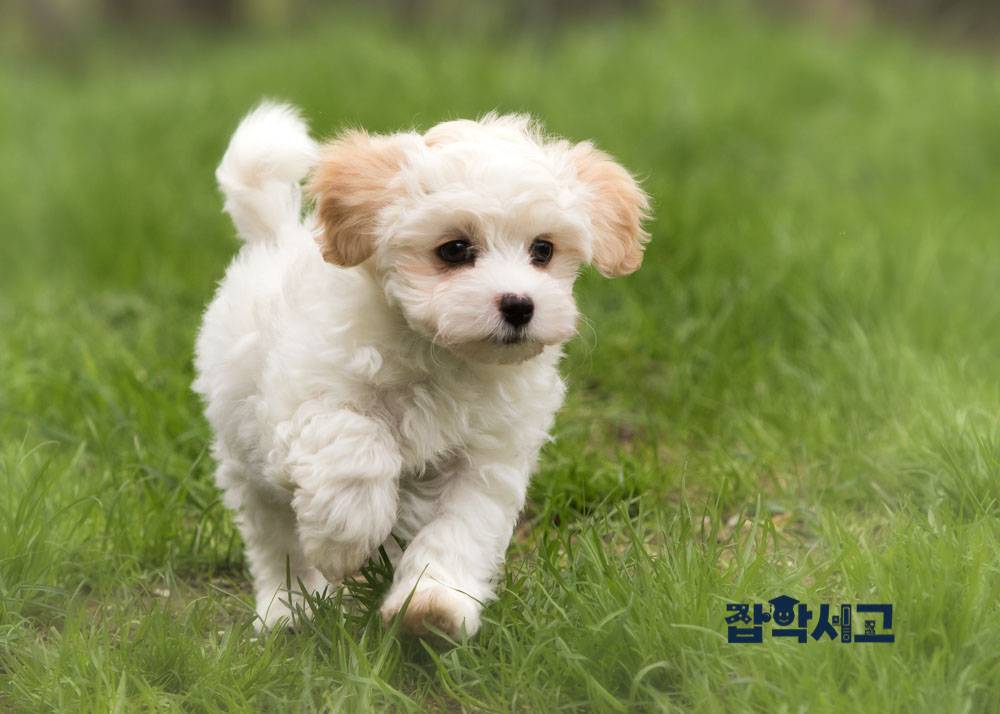
A Wide Range of Body Sizes and Shapes
Dogs' physical characteristics vary greatly by breed. Body size, shape, and coat length and color are unique traits of each breed. For example, breeds such as the Chow Chow are famous for their thick coat and lion-like appearance, while Greyhounds are slender and have long legs that give them outstanding running ability. Exercise needs differ by body type: small dogs can usually get enough activity indoors in a small space, but large dogs need wide spaces and more exercise. In addition, certain breeds may be genetically vulnerable to specific health problems and require care accordingly.
Physiological Mechanisms for Regulating Body Temperature
Dogs use unique physiological mechanisms to regulate their body temperature. Unlike humans, dogs have almost no sweat glands; they exist only on the pads of their paws. So to regulate body temperature, dogs mainly release heat by sticking out their tongues and panting. This keeps their bodies from overheating, and especially in summer it is important to lower their body temperature quickly to prevent heatstroke caused by rising body temperature. In this process, it is essential to provide plenty of water and an environment where they can avoid direct sunlight.
Characteristics of Heart Rate and Breathing Rate
Dogs' heart rates and breathing rates are faster than those of humans. Generally, an adult dog's heart rate is about 60–140 beats per minute and its breathing rate about 10–30 breaths per minute. These high heart and breathing rates allow dogs to sustain activities that require a lot of energy. For example, dogs can perform high-intensity activity in a short time and have the ability to recover quickly. However, because of these characteristics, stress or excessive exercise can strain a dog's heart, so it is important to control the amount of exercise.
The Digestive System and Nutrient Management
A dog's digestive system has a structure close to that of a carnivore. Dogs' teeth have developed into a form suited to chewing and tearing meat, and their short digestive tract is optimized for a high-protein, high-fat diet. Protein and fat therefore serve as dogs' main sources of energy. However, modern dogs also take in carbohydrates and dietary fiber through various forms of dog food. Excessive carbohydrate intake can cause obesity or digestive problems, so a balanced diet is necessary. In addition, certain breeds may need dietary restrictions, and diet management tailored to allergies or special health conditions is important.
An Excellent Sense of Smell and Its Uses
A dog's sense of smell is tens to hundreds of times more sensitive than a human's. Dogs have more than about 200 million olfactory cells, an enormous difference compared with about 5 million in humans. Because of this, dogs can precisely identify specific odors and even track smells that originated far away. This olfactory ability is extremely useful in specialized tasks such as hunting, searching, rescue work, and detecting drugs or explosives. The sense of smell also plays an important role in how dogs recognize their owners and other animals.
Sensitive Hearing and Its Role
A dog's hearing can detect a wide range of sounds, including high-frequency sounds. Dogs can hear high-frequency sounds of up to about 40,000 Hz, twice the range that humans can hear (20,000 Hz). This sensitive hearing plays an important role in letting dogs sense danger in advance and quickly recognize and respond to their owners' commands. In particular, breeds with excellent hearing are used as guard dogs and can accurately pinpoint even the direction and distance of a sound.
Unique Visual Characteristics
Dogs perceive their environment through vision in a different way from humans. Among the colors humans can see, dogs cannot distinguish red from green and mainly perceive blue and yellow. This means dogs have a visual condition similar to red-green color blindness. However, dogs are very sensitive to movement, so they can react quickly in hunting or guarding. A dog's field of view is wider than a human's, letting it take in a wider area at a glance, which is advantageous for tracking fast-moving objects. These visual characteristics greatly help dogs spot prey and grasp their surroundings, mainly by relying on movement.
Various Dog Breeds and the Unique Behavior of Each

The Diversity and Characteristics of Dog Breeds
There are hundreds of dog breeds, and each has its own physical traits and behavioral characteristics. These traits stem from each breed's genetic background and historical role, and understanding breed-specific traits well lets you manage your dog's behavior more effectively. This in turn strengthens your relationship with your dog and helps maintain its health and happiness.
Labrador Retriever: Friendly and Gentle Temperament
The Labrador Retriever is one of the most popular breeds in the world and is famous for its friendly, gentle temperament. This breed gets along well with people and is especially good with children. Labradors enjoy swimming in water and show outstanding ability in hunting and search activities. Because of this temperament and ability, they are excellent family dogs and are also often used as detection dogs or therapy dogs.
Chihuahua: Brave and Highly Alert Temperament
Small and active, the Chihuahua, contrary to its appearance, has a very brave and highly alert temperament. Despite being a small dog, this breed tends to bark loudly and may be wary of strangers. Chihuahuas should be helped to get along with other people and animals through proper socialization training; if they are not well socialized, excessive wariness can lead to problem behaviors.
Beagle: Curiosity and Scent-Tracking Ability
Beagles are well known for their curious and lively personality. This breed has an outstanding ability to track scents and has a history as a hunting dog. During walks, Beagles have a strong instinct to follow scents and could easily slip out of their owner's control, so care is needed. Beagles need plenty of exercise and stimulation, which helps reduce stress and keep them healthy.
Poodle: High Intelligence and Learning Ability
The Poodle is a highly intelligent breed with excellent learning ability. Poodles learn a variety of tricks and commands quickly and enjoy interacting with their owners. Because Poodles get bored easily, it is important to provide mental stimulation through various kinds of play and training. During time with your Poodle, you should introduce new commands or games to prevent boredom and help your Poodle feel satisfied.
Bulldog: Gentleness and Patience
Bulldogs have a gentle, patient temperament and love spending time with their families. However, this breed has a body structure prone to breathing problems, so care is needed especially in hot weather or during excessive exercise. To keep a Bulldog healthy, it is important to combine appropriate exercise with weight management. Thanks to their naturally friendly temperament, Bulldogs can also make good family dogs.
Shepherd: Protective Instinct and Ability to Perform Complex Tasks
The Shepherd is a breed with strong loyalty and protective instincts and is often used as a guard dog or police dog. This breed has high energy levels and intelligence, giving it the ability to perform even complex tasks. When raising a Shepherd, plenty of exercise and consistent training are important, and steady socialization and a variety of activities are needed to keep them satisfied. Shepherds follow their owners' commands well and have a strong instinct to protect their families.
Maltese: Elegant and Lovable Temperament
The Maltese is a breed much loved for its small size and elegant appearance. This breed is very affectionate, forms strong attachments to its owner, and places great importance on bonding with people. Thanks to its social, friendly nature, the Maltese gets along well with other people and animals and makes a good family dog. However, neglecting care of its long coat can lead to health problems, so regular grooming and bathing are essential.
Pomeranian: Lively and Confident Temperament
Despite its small size, the Pomeranian has a confident temperament. This breed is very lively and enjoys spending time with its owner. Despite its small body, the Pomeranian is brave and independent, sometimes showing the courage to stand up even to large dogs. However, it may tend to get overexcited or bark, so proper training and socialization are needed from an early age.
Shih Tzu: Docile and Family-Centered Temperament
The Shih Tzu is a docile breed whose behavior centers on its family. Shih Tzus are relatively quiet and calm and love spending time with their families. They get along well with other animals and have a temperament that lets them approach even strangers in a friendly way. However, the hair around a Shih Tzu's face can often cover its eyes, so it is important to keep its vision clear through regular grooming.
Border Collie: A Harmony of Intelligence and Energy
The Border Collie is considered one of the most intelligent breeds in the world and has a very high energy level. This breed was mainly used as a sheepdog and has the ability to understand commands quickly and perform complex tasks. Border Collies have a strong desire to keep moving and stay active, and they need plenty of exercise and mental stimulation to satisfy it. Border Collies enjoy a variety of tasks through interaction with their owners and can display even greater abilities through high-level training.
Yorkshire Terrier: Lively and Bold Temperament
Despite its small body, the Yorkshire Terrier is a breed with a very lively and bold temperament. Yorkies are highly alert and may react actively to strangers or unfamiliar situations. Yorkshire Terriers are loyal and affectionate toward their owners and treasure time with their families. Because of their small size they are well suited to apartment living, but they need plenty of exercise and stimulation. In addition, a Yorkshire Terrier's long coat needs regular care to keep it in healthy condition.
Golden Retriever: A Harmony of Gentleness and Intelligence
Golden Retrievers are well known for their gentle and kind temperament and are a very intelligent breed. They get along well with people and are especially wonderful with children. Golden Retrievers take well to training and have the ability to perform even complex tasks. They show outstanding ability in hunting and search work and are also much loved as therapy dogs. Golden Retrievers need plenty of exercise and emotional stimulation, which helps them maintain a healthy and happy life.
Bichon Frise: Friendly and Lively Temperament
The Bichon Frise is a breed that boasts a cute appearance thanks to its small size and curly coat. Bichons have a very friendly and sociable temperament, bond wonderfully with their families, and get along well with other animals. The Bichon Frise loves to romp around energetically and cheerfully and enjoys time with its owner. In addition, this breed has a coat that is less likely to cause allergies, making it suitable even for people concerned about allergies. The Bichon Frise needs regular grooming as well as plenty of exercise.
Analysis of Dogs' Common Behavior Patterns and Their Meanings
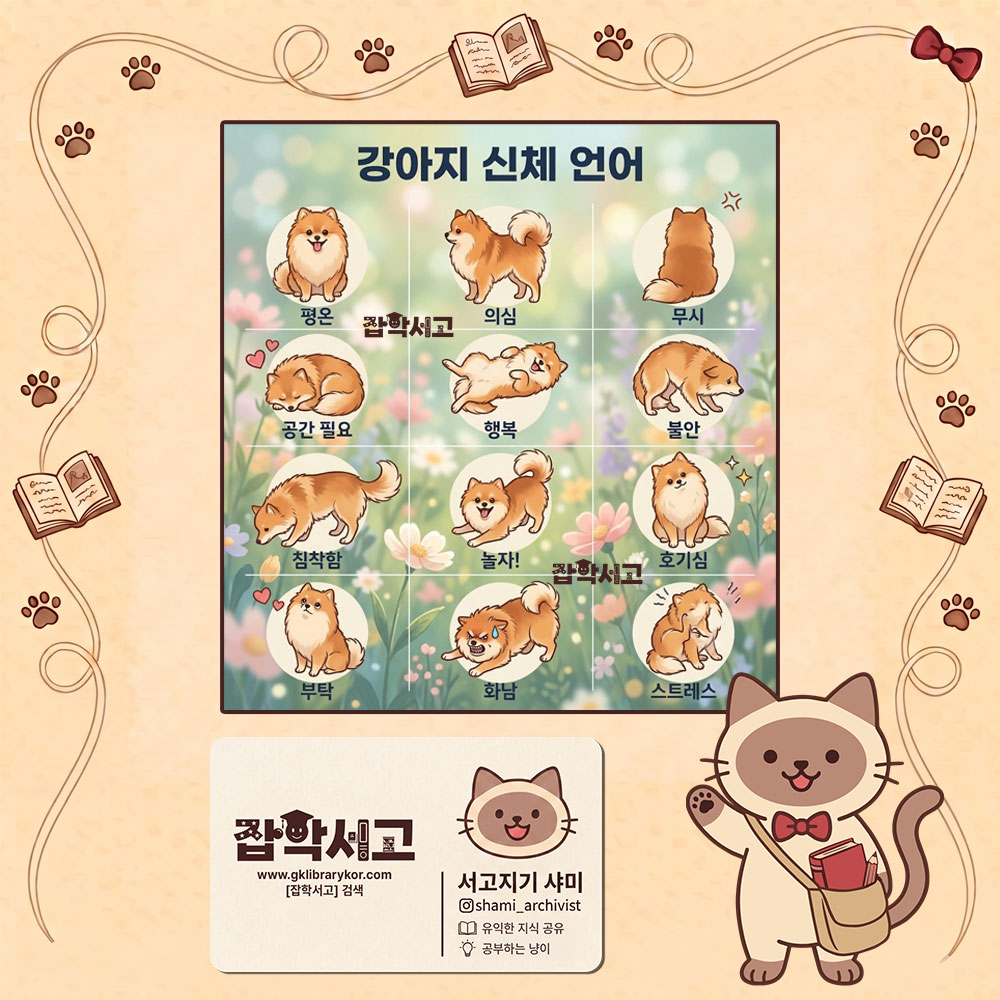
Tail Movements and Emotional Expression
A dog's tail movements are an important clue to understanding its emotions. Wagging the tail often indicates joy or excitement. However, lowering the tail or tucking it between the legs can mean fear or submission. Carefully observing the tail's position and movement helps you understand a dog's emotional state. For example, if the tail is held high and wagging vigorously, it indicates that the dog is confident and happy. Conversely, if the tail is low or not moving, the dog is likely anxious or tense.
Ear Position and Emotional Signals
The position and movement of the ears are also important elements of how dogs express emotion. Ears pointed forward indicate that the dog is interested or curious and is closely watching something. Conversely, ears laid back or pressed flat against the body may be a sign that the dog is feeling fear or tension. It is important to understand these ear states well and respond in a way that suits the dog's emotions. For example, when a dog is tense or afraid, you need to calm it with a quiet voice and gentle movements.
The Various Meanings and Interpretations of Barking
A dog's bark is a means of expressing a variety of intentions. Its meaning can vary with the pitch and length of the bark. For example, a long, low bark signals a warning or threat, indicating that the dog is wary of a stranger or situation. On the other hand, short, high-pitched barks can indicate excitement or joy and mostly occur when the owner comes home or it is playtime. It is important to understand a dog's barking, identify its cause, and respond appropriately. Excessive barking can be a sign of stress or anxiety, and in such cases the dog's environment or behavior needs to be adjusted.
Licking as an Expression of Affection and a Sign of Anxiety
A dog's licking can mainly be understood as an expression of affection. Dogs show affection by licking their owners or other animals, which means the dog feels comfortable. However, excessive licking may be a sign of stress or anxiety. In such cases, it is important to create an environment where the dog can feel comfortable and to remove sources of anxiety. For example, if a dog licks excessively while adapting to a new environment, you need to settle it with plenty of time and affection.
The Meaning of Digging Behavior and How to Manage It
A dog's digging at the ground is an instinctive behavior with several purposes. It may be done to mark its territory or to find hidden objects. It is also used as a way to relieve stress or burn off energy. If a dog frequently digs at the ground, it may indicate that the dog is not getting enough exercise or stimulation. Therefore, it is important to provide plenty of exercise and play so the dog can release its energy appropriately.
Causes of Trembling or Shaking and Points of Caution
A dog trembling or shaking its body is a natural behavior for removing water or dust from its coat. However, if this behavior becomes too frequent, it may be a sign of a skin disease or other health problem. For example, when there are problems such as ear infections or skin allergies, a dog may often shake its body or its coat. It is important to check the dog's health regularly and get it appropriate treatment when necessary. If this behavior persists or worsens, you should consult a veterinarian.
Solving Dogs' Behavior Problems and Effective Management Methods
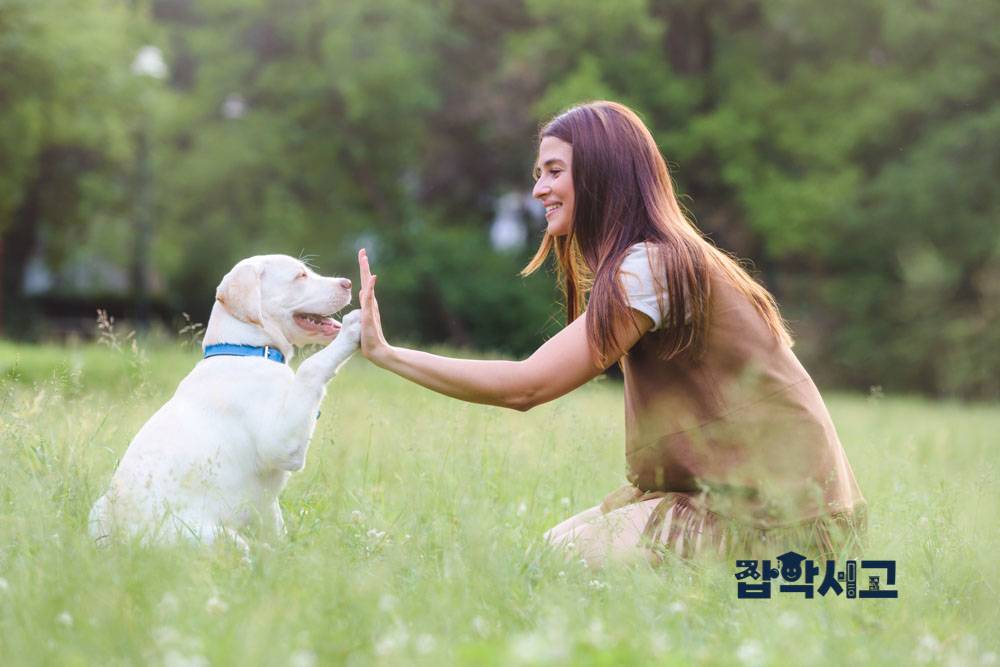
Separation Anxiety and the Importance of Gradual Exposure
Among dogs' behavior problems, separation anxiety causes the dog great stress when the owner is away, which can lead to excessive barking, destructive behavior, and more. To solve this problem, it is important to help the dog get used to the owner's absence through gradual exposure. At first, leave the dog alone only for short periods, then gradually lengthen that time, guiding the dog to build positive experiences of being alone.
Excessive Barking and the Need for Consistent Training
A dog's excessive barking can arise from various causes such as stress, anxiety, and boredom. To solve it, it is important to give the dog plenty of exercise and mental stimulation and to apply consistent training to its barking. Using positive rewards when the dog behaves appropriately is effective, and it is also necessary to identify and remove the root causes that trigger the barking.
Aggressive Behavior and the Importance of Professional Training
Aggressive behavior problems can arise from a dog's lack of socialization or past trauma. To solve these problems, it is advisable to get help from a professional trainer. A dog that shows aggressive behavior should be socialized gradually through positive interactions with other dogs and people, guiding it toward safer and more stable behavior.
Causes of Destructive Behavior and Ways to Release Energy
A dog damaging things around the house can result from boredom or excess energy. To solve this, you should give the dog plenty of exercise and play and provide safe items such as chew toys so it can release its energy appropriately. These activities help reduce the dog's stress and prevent destructive behavior.
Dietary Problems and the Importance of a Balanced Diet

Dietary problems can directly affect a dog's behavior. Irregular mealtimes or nutritional imbalance can negatively affect not only a dog's health but also its behavior. It is therefore important to give the dog a balanced diet and to serve meals at set times. Avoid sudden changes in diet, and introduce new foods gradually to help the dog digest and adapt.
The Importance of Consistent Training and Building Trust
Consistent training and management are essential to solving a dog's behavior problems effectively. Owners should maintain consistent commands and a consistent reward system and build a relationship of trust with their dog. This trust encourages the dog to behave in ways that meet the owner's expectations and plays an important role in preventing and managing the dog's overall behavior problems. In addition, regularly checking the dog's health and getting it appropriate treatment when necessary will help solve its behavior problems.
Through this article, we were able to gain an in-depth understanding of dogs' physical and physiological characteristics, the unique behaviors of each breed, the meanings of common behavior patterns, and ways to solve behavior problems.
This knowledge will be a great help in strengthening your relationship with your dog and maintaining a healthy and happy life. Loving our dogs and caring for them properly is our responsibility, and through it we can make each other's lives richer.