Autonomous driving technology is one of the topics attracting considerable attention in modern society. This technology enables vehicles to perceive their surroundings and drive on their own without driver intervention.
As technology advances, autonomous cars have the potential to transform our daily lives significantly, offering various benefits such as fewer traffic accidents, relief from traffic congestion, and efficient, convenient transportation.
This article examines the current state of autonomous driving technology, examples of innovation at leading companies, safety and legal issues, and the future revolution in mobility.
Autonomous Driving Technology Today: How Far Have We Come?
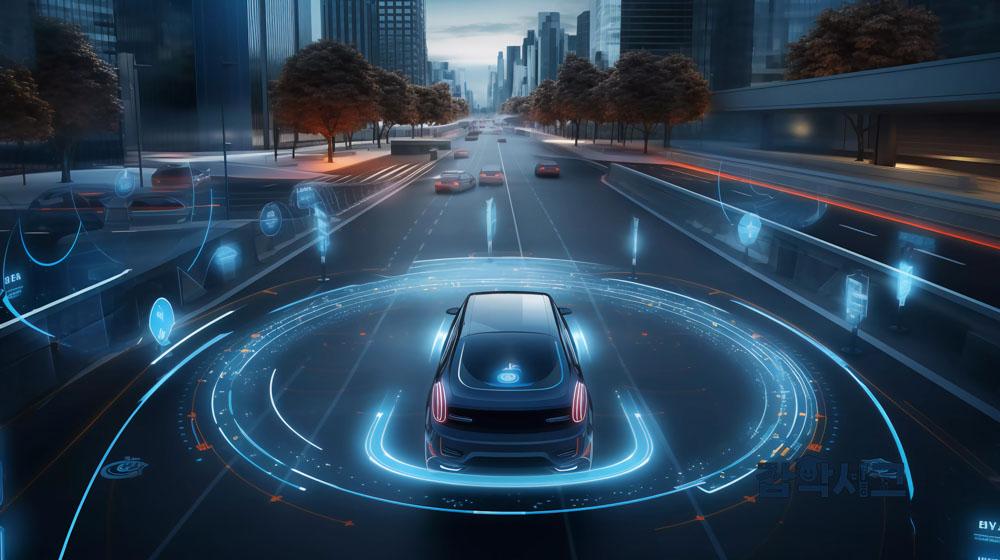 How Is Autonomous Driving Technology Progressing?
The Current State of Autonomous Driving Technology
Autonomous driving technology has made remarkable progress over the past few years. Most autonomous cars currently offer Level 2 or Level 3 autonomous driving capabilities. This means that vehicles can drive themselves to some extent under certain conditions, but driver intervention is still required. For example, Tesla's Autopilot offers features such as maintaining the vehicle's lane and adjusting its distance from the vehicle ahead on highways.
Advances in Hardware and Software
In recent years, autonomous driving technology has made significant advances in both hardware and software. Vehicles are equipped with various sensors, including LiDAR, radar, and cameras, to monitor the driving environment in real time and plan their routes based on this information. Advances in artificial intelligence (AI) and machine learning algorithms have also enabled vehicles to analyze and respond to driving situations more accurately and quickly.
Pilot Programs and Real-World Performance Validation
Pilot programs to test autonomous vehicles are underway in cities around the world. For example, autonomous taxi services are being operated on a trial basis in several cities in the United States, and these services are being used to validate the technology's real-world performance and safety. Data obtained from these pilot programs provides important feedback for technology development.
Challenges Facing Autonomous Driving Technology
However, autonomous driving technology still faces many challenges. In particular, the problems of driving in complex urban environments have not yet been fully resolved. In urban areas with many variables, such as pedestrians, bicycles, and other vehicles, autonomous vehicles often find it difficult to handle every situation perfectly. Autonomous driving systems may also fail to operate accurately in bad weather or when road signs are unclear.
Prospects for the Commercialization of Fully Autonomous Vehicles
An assessment of the current state of autonomous driving technology suggests that, although the technology is advancing rapidly, considerable time will still be needed before fully autonomous vehicles become commercially available. The current level of technology is very encouraging, but more technical, social, and legal issues must be resolved for practical commercialization.
In conclusion, autonomous driving technology has made substantial progress to date, but many challenges remain before full autonomy can be achieved. By overcoming these challenges, the way we travel will become more innovative and convenient.
Leading Autonomous Driving Technology Companies and Examples of Innovation
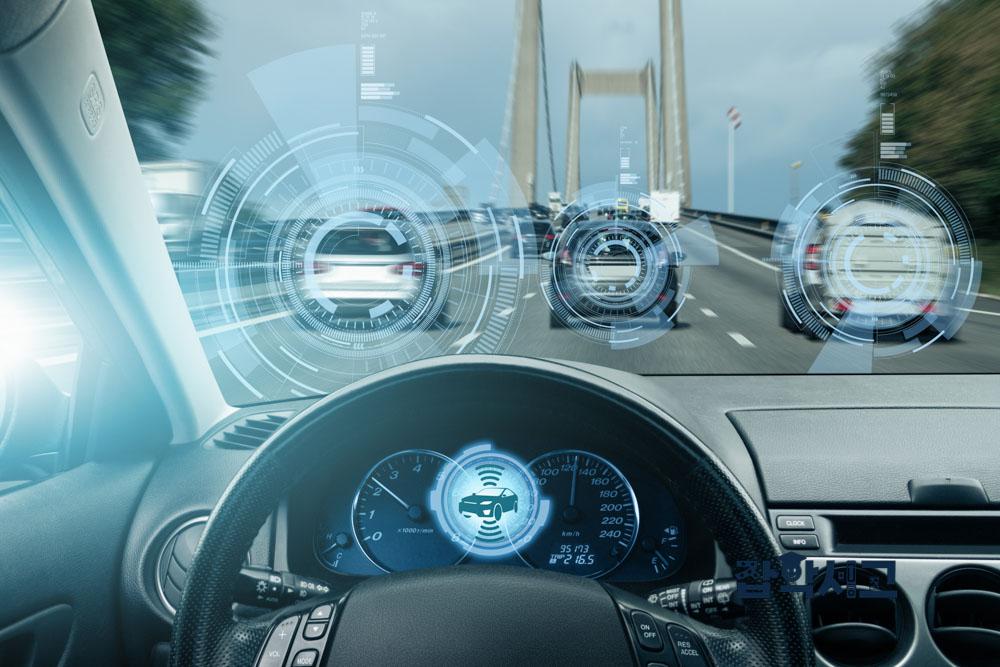 What Are Some Examples of Leading Autonomous Driving Technology Companies?
Tesla: The Autopilot System
Tesla is one of the companies at the forefront of autonomous driving technology. Tesla provides partial autonomous driving capabilities through its Autopilot system and upgrades the technology every year. Tesla's Autopilot offers features such as lane keeping, following-distance adjustment, and automatic parking when driving on highways, and the company has recently also released a full self-driving beta version to some users.
Waymo: Autonomous Taxi Services
Another leading company is Waymo, a subsidiary of Google. Waymo is one of the most advanced companies in autonomous driving technology development and is already operating autonomous taxi services on a trial basis in several cities. Waymo's autonomous vehicles use LiDAR, radar, cameras, and other equipment to monitor the driving environment through a 360-degree view and make driving decisions using highly advanced artificial intelligence algorithms.
Uber: Autonomous Vehicle Ride-Sharing Services
Uber is also investing heavily in autonomous driving technology development. Uber aims to provide ride-sharing services using autonomous vehicles and is conducting tests in various cities to achieve this goal. Uber focuses particularly on developing autonomous driving technology for complex urban environments and seeks to address urban traffic problems through this technology.
Apple: Project Titan
Apple is also one of the companies deeply involved in autonomous driving technology development. Apple is developing autonomous driving technology under the name 'Project Titan' and has filed numerous related patent applications. Apple's autonomous driving technology is likely to connect with its existing ecosystem and provide users with a more integrated mobility experience.
Participation by Traditional Automakers
Traditional automakers are also actively pursuing autonomous driving technology development. For example, BMW, Mercedes-Benz, and Audi are each researching and developing autonomous driving technology and gradually introducing it into their new vehicle models. These companies aim to develop autonomous driving systems with high levels of safety and reliability.
Innovation by Startups
Finally, many startups also play an important role in the development of autonomous driving technology. For example, Cruise, Aurora, and Nuro are each developing their own autonomous driving technologies and seeking to apply them to various commercial uses. These startups are accelerating technology development through collaboration with large companies.
Safety and Legal Issues Surrounding Autonomous Cars
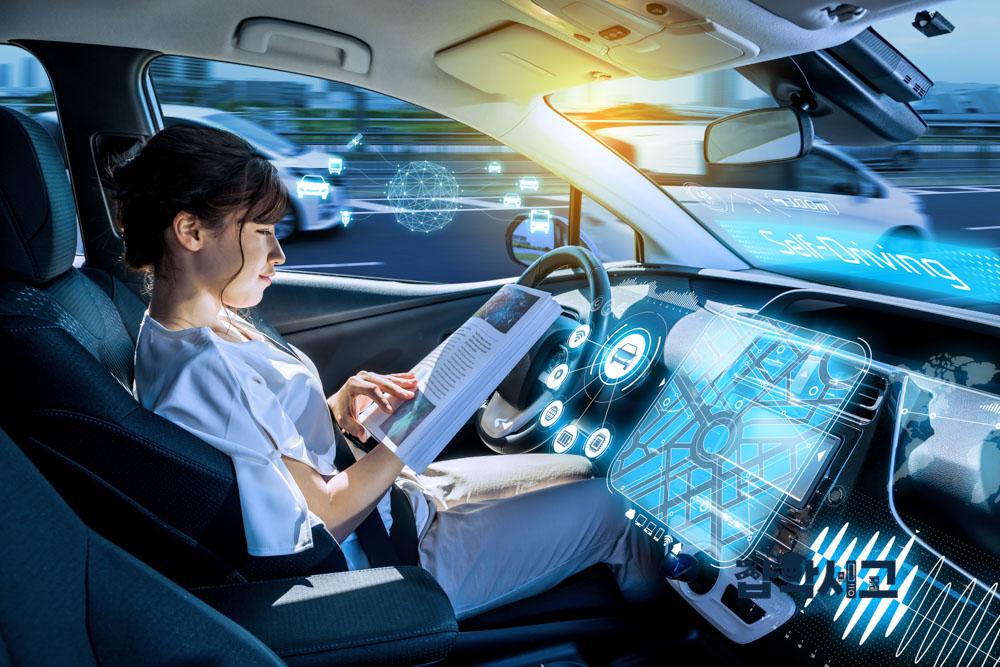 What Are the Concerns About Autonomous Vehicles?
Safety Issues
The safety of autonomous cars is one of the most important factors in commercializing this technology. Autonomous vehicles use various sensors and algorithms to perceive the driving environment and make driving decisions, but these processes can still be affected by many variables. For example, bad weather, unclear road signs, and the unexpected appearance of pedestrians can degrade the performance of autonomous driving systems.
Accident Cases and Reliability Issues
In this regard, actual cases of autonomous vehicles causing accidents have been reported. Such accidents can undermine trust in autonomous driving technology and become major obstacles to the commercialization of autonomous vehicles. To address these problems, autonomous driving technology developers are therefore continually improving their systems and collecting more data to optimize their algorithms.
Legal Issues
Legal issues are also an important factor hindering the commercialization of autonomous vehicles. Most countries currently lack clear legal standards for autonomous vehicles. This makes it difficult to establish who is responsible when an accident occurs while an autonomous vehicle is operating. For example, when an autonomous vehicle causes an accident, it is difficult to clearly determine whether the manufacturer, the owner, or the software provider is responsible.
Data Privacy Issues
Data privacy in autonomous vehicles is also an important legal issue. Because autonomous vehicles collect various types of data while driving, how this data is used and protected becomes an important concern. If data is leaked or misused, it can violate individuals' privacy and lead to legal disputes.
The Need for Cooperation Between Governments and Companies
Resolving the legal issues surrounding autonomous vehicles requires close cooperation between governments and companies. It is important to establish clear legal standards for autonomous driving technology and use them as a basis for ensuring the safety and reliability of autonomous vehicles. Technical and institutional measures to address data privacy issues must also be developed.
In conclusion, the safety and legal issues surrounding autonomous vehicles are important challenges in commercializing this technology. Addressing them requires ongoing technology development alongside efforts to establish legal standards. When these efforts bear fruit, autonomous vehicles will be able to establish themselves as safer and more reliable means of transportation.
The Future Mobility Revolution: Prospects and Challenges for Autonomous Driving Technology
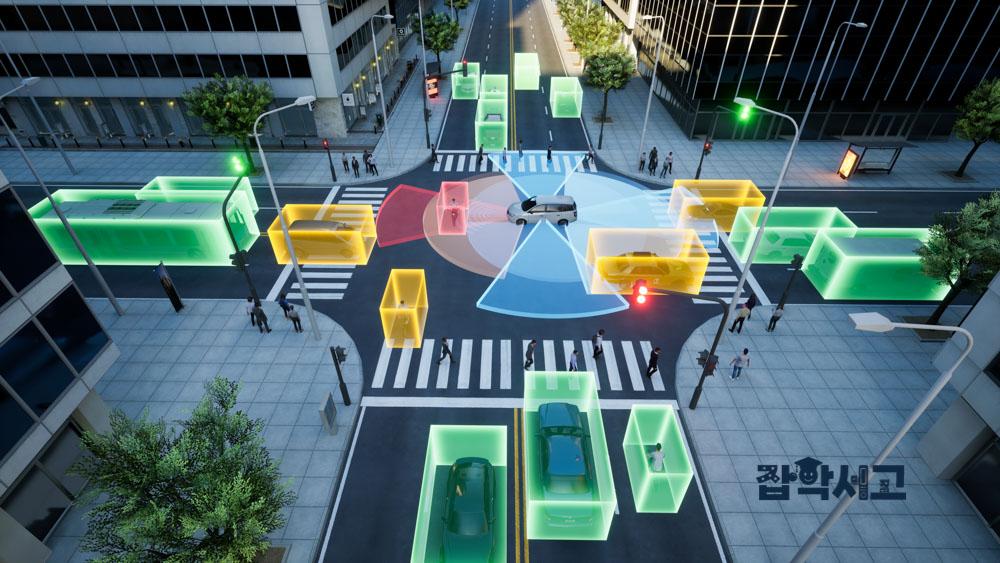 What Are the Prospects for Autonomous Driving Technology?
The Transformative Potential of Autonomous Driving Technology
Autonomous driving technology has the potential to transform the way we travel in the near future. With the introduction of fully autonomous vehicles, drivers will be free to engage in other activities inside the vehicle, which can greatly improve how efficiently they use their time. Autonomous vehicles can also reduce traffic accidents, ease traffic congestion, and, beyond that, transform urban transportation systems.
Changes in the Logistics and Delivery Industries
Advances in autonomous driving technology will also bring significant changes to the logistics and delivery industries. Autonomous trucks and drones can reduce logistics costs and shorten delivery times. This maximizes efficiency in the logistics industry and makes it possible to provide better services to consumers. For example, Amazon is already testing delivery services using autonomous drones.
Benefits for People Who Face Transportation Barriers
Autonomous vehicles can also provide significant benefits to people who face transportation barriers. People who have difficulty driving, including older adults and people with disabilities, will be able to travel freely using autonomous vehicles, which can greatly improve their quality of life. Autonomous driving technology will play an important role in providing freedom of mobility to everyone.
Technical Challenges
However, many challenges remain before autonomous driving technology can be fully commercialized. First, the technology must become more mature. Autonomous driving systems must be reliable in all driving situations, and this requires more data and training. Their stability and reliability must also be validated through testing in a variety of environments.
Legal and Institutional Challenges
Legal and institutional challenges also remain to be resolved. Legal standards permitting the operation of autonomous vehicles must be established, and responsibility in the event of an accident needs to be clearly defined. Institutional measures to address data privacy issues must also be developed. Cooperation between governments and companies is essential for this.
Social Acceptance
Finally, social acceptance of autonomous driving technology is also an important challenge. To gain public trust in autonomous vehicles, it is important to continually communicate the technology's safety and reliability and demonstrate them in practice. Social discussion and understanding of the changes that autonomous driving technology will bring are also needed.
In conclusion, autonomous driving technology has the potential to transform the way we travel. However, technical, legal, and social challenges must be resolved before this technology can be fully commercialized. When these challenges are successfully overcome, autonomous driving technology will be able to lead a true revolution in the future of mobility.
Autonomous driving technology has the potential to significantly change our daily lives and provide safer, more efficient transportation. Although autonomous driving technology is currently advancing rapidly, many challenges remain before full commercialization.
Alongside innovative examples from leading companies, efforts to resolve the safety and legal issues surrounding autonomous driving technology are continuing. The prospects for autonomous driving technology as a driver of the future mobility revolution are bright, and it will make our lives more convenient and safer.