In modern society, information security and hacking are no longer concerns limited to experts. As the internet and digital technologies advance, we regularly enter the cyber world to engage in various activities.
These activities offer convenience, but they also carry various risks, including information leaks, data corruption, and financial losses. Understanding the importance of information security and the nature of hacking is therefore essential.
This article will explore in detail the importance of information security and its role in modern society, the basic concepts and main types of hacking, case studies of cyberattacks, strategies for strengthening information security, and the latest technology trends.
The Importance of Information Security and Its Role in Modern Society
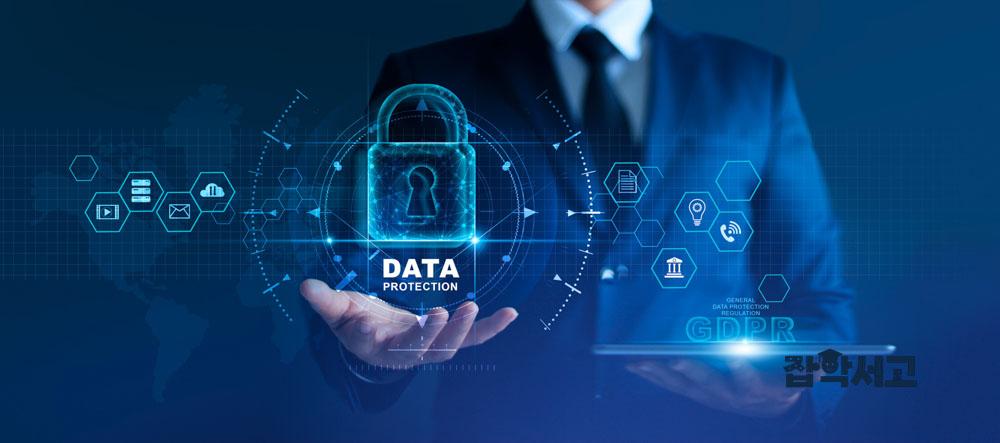 Why Is Information Security Important in the Digital Age?
The Roles and Goals of Information Security
Information security plays an important role at every level, including individuals, businesses, and government agencies. It aims to maintain the confidentiality, integrity, and availability of data to prevent damage caused by information leaks or data corruption. Businesses, in particular, must protect important data such as customer information, financial information, and technical secrets, and leaks of this data can seriously damage their credibility and finances.
Digital Technology and Information Security in Modern Society
In modern society, digital technologies are used in various fields, including internet banking, e-commerce, and online education. These services maximize convenience for users, but they also become major targets for malicious hackers. This shows that information security is an essential element rather than simply an option.
The Importance of Information Security in Government Agencies
For government agencies, information security is also directly linked to national security. If important national information is leaked or hacked, it can threaten the security of the entire country. Governments around the world are therefore developing various legal and technical measures to strengthen information security.
Information Security Awareness Among Individual Users
Individual users must also recognize the importance of information security. If their personal information is leaked, they may suffer identity theft, financial fraud, or cyberbullying. Individual users must therefore follow basic security practices and use security software to protect their information.
International Cooperation on Information Security
The importance of information security is also a major concern internationally. The international community is strengthening legal and technical cooperation related to cybercrime, seeking to improve the global information security environment through these efforts. This is possible through information sharing and cooperation between countries.
In conclusion, information security is an important issue that every member of modern society should care about. Individuals, businesses, and government agencies must all work together to strengthen information security and build a safe cyber environment.
An Analysis of the Basic Concepts and Main Types of Hacking
 Which Hacking Techniques Should You Know About for Information Security?
The Concept of Hacking
Hacking generally refers to unauthorized access to or manipulation of systems, networks, or devices. Hackers have various motives and objectives, and they primarily attempt hacking to steal information, destroy systems, or gain financially. Understanding the basic concept of hacking is the first step toward strengthening information security.
Phishing
One of the most common types of hacking is phishing. Phishing is a method of obtaining sensitive information from users through emails, messages, and similar channels. Attackers impersonate real organizations or individuals to gain users' trust and then use that trust to steal passwords, credit card information, and other details.
Malware
The second most common type is malware. Malware is a general term for malicious software, including viruses, worms, and Trojan horses. Malware typically infiltrates systems to steal data, destroy systems, or monitor users.
DDoS Attacks
DDoS attacks are also one of the main types of hacking. A DDoS attack overwhelms a system by simultaneously sending a large volume of traffic to a specific server. This disrupts the normal operation of websites or services and can cause substantial financial losses for businesses.
Zero-Day Attacks
Another type is the zero-day attack. A zero-day attack exploits a software security vulnerability before it is disclosed or patched. This is an extremely dangerous attack that requires a rapid response.
Ransomware
Ransomware attacks are also one of the main types of hacking. Ransomware is malicious software that encrypts users' files and then demands money in exchange for decrypting them. These attacks can cause serious damage not only to individual users but also to businesses and government agencies. Regular backups and the use of strong security software are essential for preventing ransomware attacks.
Social Engineering Attacks
Finally, there are social engineering attacks. This is a method of deceiving people into giving up information through psychological manipulation rather than a technical approach. For example, an attacker might call someone, pretend to be an IT department employee, and ask for a password.
Understanding these various types of hacking plays an important role in strengthening information security. It is necessary to develop response strategies suited to each type and take preventive measures.
Cyberattack Case Studies and Main Types of Damage
 Which Hacking Incidents Have Caused Major Damage Around the World?
The WannaCry Ransomware Attack
There are many different examples of cyberattacks, and the types of damage they cause also vary. First, one of the most famous examples is the 'WannaCry ransomware' attack of 2017. WannaCry was ransomware that infected hundreds of thousands of computers worldwide and demanded money from users. It caused particularly severe damage to critical systems in healthcare facilities, businesses, and public institutions.
The Sony Pictures Hack
Another example is the 'Sony Pictures hack' of 2014. In this incident, hackers stole and released internal data from Sony Pictures Entertainment. As a result, Sony suffered enormous financial losses and a serious blow to its credibility.
The DNC Hack
In 2016, the 'DNC hack' occurred during the U.S. presidential election. Hackers broke into the email system of the Democratic National Committee (DNC) and released internal emails in an attempt to influence the election. This was a significant incident that threatened national security and political stability.
Main Types of Damage Caused by Cyberattacks
Data Leaks
Cyberattacks cause various types of damage. The first is data leaks. This refers to situations in which personal information, financial information, confidential information, and other data are leaked to outside parties. Data leaks can cause serious damage to both individuals and businesses.
System Paralysis
The second is system paralysis. When a DDoS attack or malware infection paralyzes a system, it disrupts the operation of websites or services and can seriously interfere with business operations. This causes financial losses as well as a decline in customer trust.
Financial Losses
The third is financial losses. The financial losses caused by cyberattacks are substantial. They can take various forms, including demands for money in ransomware attacks, system recovery costs, and legal response costs.
Reputational Damage
The fourth is reputational damage. Businesses or institutions that suffer cyberattacks lose their customers' trust, which can lead to substantial losses over the long term. When customer information is leaked, the affected business must invest considerable time and resources in restoring trust.
Legal Issues
Fifth, legal issues can also arise. Legal issues resulting from data leaks or violations of personal information protection laws lead to additional costs and time spent. Legal sanctions can also seriously interfere with business operations.
Strategies for Strengthening Information Security and the Latest Technology Trends
 How, Then, Should Security Be Strengthened?
Introducing Multifactor Authentication (MFA) Systems
Various strategies and technologies are being introduced to strengthen information security. First, it is important to introduce a multifactor authentication (MFA) system. Multifactor authentication strengthens security by requiring users to go through multiple authentication procedures when logging in. This provides an additional security safeguard even when a password is leaked.
Ongoing Security Education and Awareness Raising
Second, ongoing security education and awareness raising are necessary. It is important for employees to recognize the importance of information security and follow basic security practices. Regular security education and training must be conducted to achieve this.
Adopting the Latest Security Technologies
Third, it is important to adopt the latest security technologies. Artificial intelligence (AI) and machine learning (ML) play important roles in detecting and responding to cyberattacks. These technologies can analyze data in real time to detect anomalies and respond rapidly.
Strengthening Data Encryption
Fourth, data encryption must be strengthened. Protecting data through encryption when it is transmitted or stored makes it difficult for hackers to decrypt the data even if they steal it. This is particularly effective in preventing sensitive information from being leaked.
Applying Security Patches and Updates
Fifth, security patches and updates must be applied on an ongoing basis. Many cyberattacks exploit software vulnerabilities. It is therefore important to update software regularly and apply security patches.
Introducing Intrusion Detection Systems (IDS) and Intrusion Prevention Systems (IPS)
Sixth, introducing intrusion detection systems (IDS) and intrusion prevention systems (IPS) is also effective. IDS monitors network traffic in real time to detect anomalies, while IPS blocks them preemptively. This greatly helps prevent unauthorized access to systems.
Using Blockchain Technology
Blockchain technology is among the latest technology trends. Based on distributed ledger technology, blockchain stores data securely and makes it difficult to tamper with. It is being used to enhance security in various fields, including financial transactions and smart contracts.
Quantum Computing Technology
Quantum computing technology is also attracting attention. Quantum computing can solve complex problems much faster than conventional computing methods, opening up new possibilities in cybersecurity as well. For example, quantum encryption technology can provide much stronger security than conventional encryption methods.
Cybersecurity Automation and Orchestration
Finally, cybersecurity automation and orchestration are becoming increasingly important. This involves integrating various security technologies and tools so that they can operate automatically and respond in real time. It helps improve the efficiency of security operations and minimize human error.
Information security and hacking are important issues that must be addressed in today's digital society. Individuals, businesses, and government agencies must all recognize the importance of information security and develop systematic, strategic response measures.
Through the various types of hacking and examples of cyberattacks, we can understand vulnerabilities in information security and recognize the need for efforts to address them.
By continually tracking and applying the latest technology trends and strategies for strengthening security, we will be able to build a safer and more trustworthy cyber environment.
Information security is not merely a technical challenge; it is a field that requires ongoing attention and effort from all of us.