Smart grids play an important role in addressing the energy challenges of modern society and creating a sustainable future. Unlike traditional power grids, smart grids use information and communication technology (ICT) to manage and optimize electricity generation, transmission, and consumption in real time.
This innovative system helps maximize energy efficiency, increase the use of renewable energy, and minimize environmental impacts.
This material examines in detail the concept and main components of smart grids, their role in improving energy efficiency and sustainability, and their current adoption status and future prospects.
The Concept of Smart Grids and Future Energy Needs
 What Is a Smart Grid?
The Definition and Role of Smart Grids
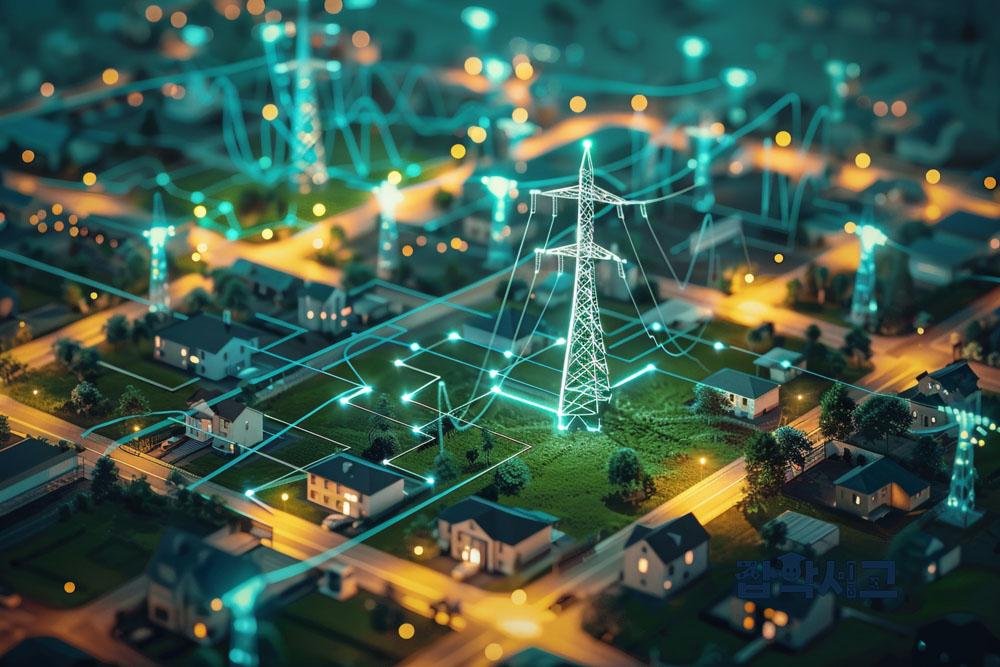
A smart grid is an intelligent power grid that transforms the existing power grid by integrating information and communication technology. It is a system that maximizes the efficiency of energy use by collecting, analyzing, and managing data generated during electricity generation, transmission, and consumption in real time. Smart grids help reduce power outages and energy waste by effectively regulating electricity supply and demand.
Addressing Climate Change and Environmental Pollution
The need for innovation in future energy is emerging from various perspectives. First, climate change and environmental pollution call for a transition to renewable energy. The use of fossil fuels must be reduced, and the share of clean energy such as solar and wind power must be increased. As key infrastructure supporting this transition, smart grids can effectively manage the variability of renewable energy.
The Need for a Stable Electricity Supply
Second, the rapid rise in energy demand means that a stable and efficient electricity supply is needed. Electricity demand is steadily increasing as electric vehicles, electric heating, and other technologies become more widespread, which can undermine the stability of existing power grids. Smart grids can ensure stability by monitoring and regulating grid loads in real time.
Reducing Energy Costs and Improving Resource Efficiency
Third, reducing energy costs and improving resource efficiency are important. Efficient energy management is needed to reduce energy costs in industrial, commercial, and residential settings. Smart grids provide users with real-time information on their energy use and help them optimize their energy consumption patterns based on this information.
Improving Energy Self-Sufficiency
Fourth, smart grids help improve energy self-sufficiency. Distributed generation systems can increase energy self-sufficiency at the local level and reduce dependence on centralized power grids. This strengthens grid resilience and ensures a stable electricity supply that can withstand external shocks such as natural disasters and cyberattacks.
Creating New Business Models and Jobs
Finally, smart grids contribute to the creation of new business models and jobs. Innovation in the energy sector creates new markets and business opportunities, which can lead to economic growth and job creation. Energy innovation through smart grids promotes cooperation across various industries and has a positive impact on the economy as a whole.
Analysis of the Main Components and Functions of Smart Grids
 Smart Grid Components
Smart Meters
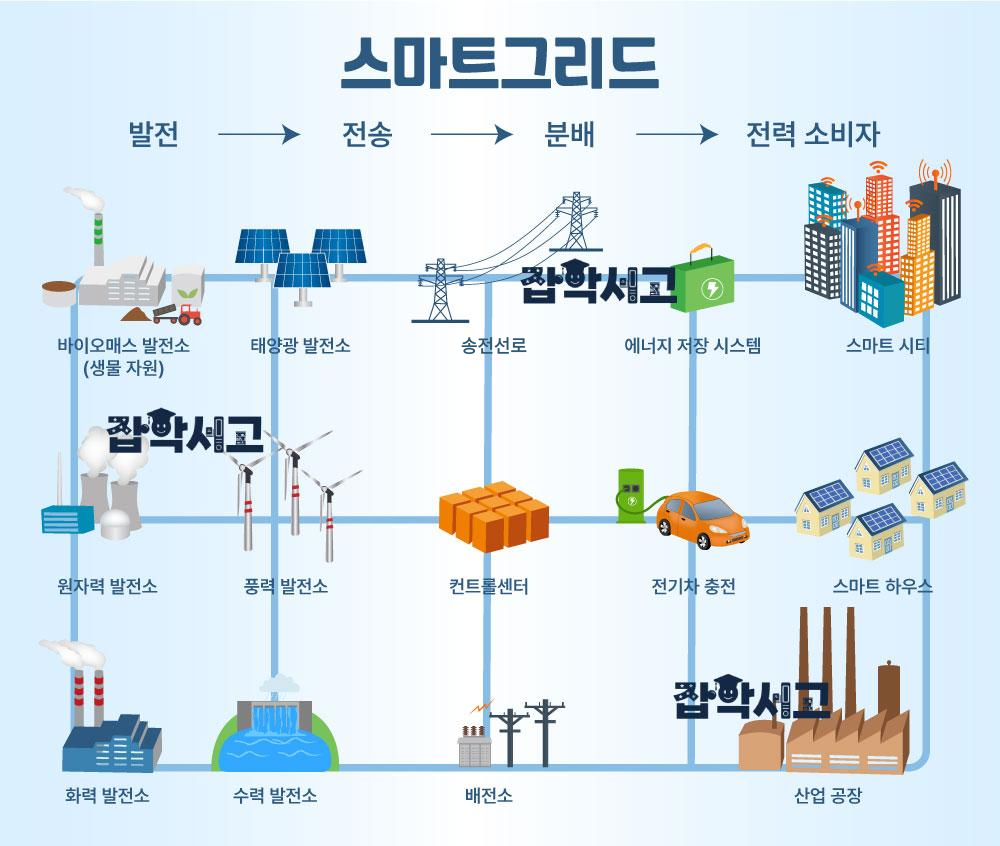
Smart grids consist of various components, each of which works together with the others to maximize the efficiency of the overall system. The first main component is the smart meter. Smart meters measure electricity consumption data in real time and transmit it to suppliers and consumers. This allows users to understand their energy consumption patterns and encourage efficient energy use.
Distribution Automation Systems
The second component is the distribution automation system. This system monitors the state of the power grid in real time and automatically restores it or establishes alternative routes when an abnormality occurs. This can improve grid stability and minimize outage durations. Distribution automation systems also reduce energy waste by maximizing the efficiency of electricity supply.
Energy Storage Systems
The third component is the energy storage system. Energy storage systems regulate grid loads by supplying electricity stored during periods of low demand when demand is high. This helps mitigate the variability of renewable energy and improve the stability of electricity supply. In particular, residential energy storage systems are becoming increasingly important as electric vehicle adoption grows.
Distributed Generation Systems
The fourth component is the distributed generation system. It generates electricity using small-scale generation facilities such as solar panels and wind turbines and supplies electricity at the local level. Distributed generation systems help reduce dependence on centralized power grids and improve local energy self-sufficiency. They can also minimize electricity losses through the geographical proximity of electricity generation and consumption.
Information and Communication Technology (ICT)
The fifth component is information and communication technology (ICT). Smart grids manage the power grid in real time through data collection, transmission, and analysis. This is achieved using advanced technologies such as the Internet of Things (IoT), big data, and artificial intelligence (AI), maximizing grid efficiency and stability. For example, artificial intelligence can balance electricity supply and demand through demand forecasting and optimization algorithms.
Consumer Participation
The sixth component is consumer participation. Smart grids support consumers in actively managing and optimizing their own energy use. For example, they can automatically adjust the energy consumption of household appliances through smart home systems or provide real-time electricity pricing information to help consumers reduce costs. Active consumer participation is an important factor in improving the efficiency of smart grids.
Improving Energy Efficiency and Sustainability
 Smart Grids That Improve Energy Efficiency
Collecting Real-Time Energy Consumption Data
Smart grids provide various functions that improve energy efficiency. First, by collecting and analyzing energy consumption data in real time through smart meters, consumers can understand their energy use patterns and reduce unnecessary energy waste. This ultimately leads to lower electricity bills and encourages sustainable energy use.
Managing Grid Loads
Second, smart grids improve energy efficiency by efficiently managing grid loads. By regulating grid loads in real time through distribution automation systems and energy storage systems, they can improve the stability of electricity supply and minimize energy waste. This plays a particularly important role in mitigating the variability of renewable energy.
Maximizing the Use of Renewable Energy
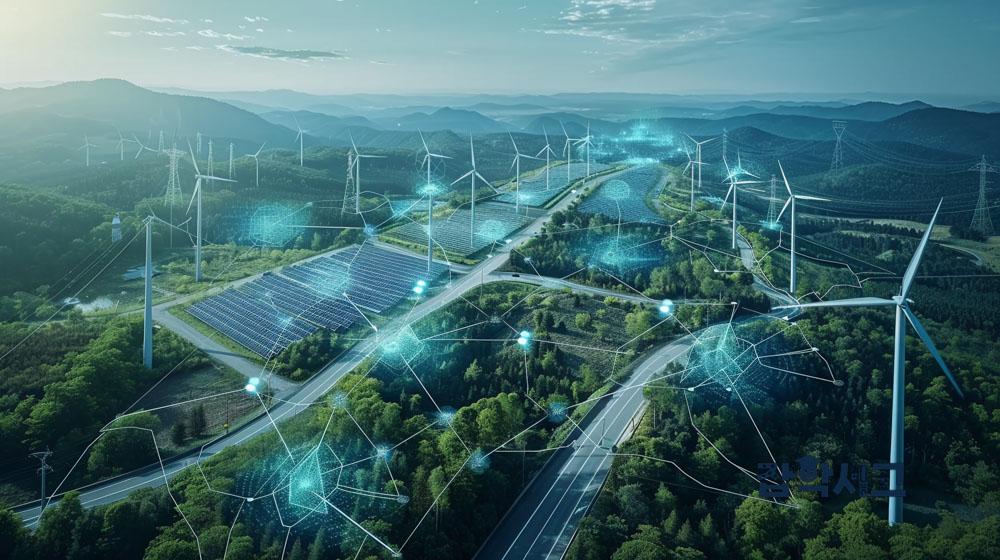
Third, smart grids maximize the use of renewable energy. Distributed generation systems enable the effective use of clean energy such as solar and wind power, while energy storage systems can manage the variability of renewable energy by supplying stored electricity when needed. This helps reduce dependence on fossil fuels and minimize environmental impacts.
Strengthening Energy Self-Sufficiency
Fourth, smart grids help improve energy self-sufficiency. Combining local distributed generation systems with energy storage systems can reduce dependence on centralized power grids and strengthen local energy self-sufficiency. This increases grid resilience and ensures a stable electricity supply that can withstand external shocks such as natural disasters and cyberattacks.
Reducing Energy Costs
Fifth, smart grids help reduce energy costs. Real-time energy use data enables efficient energy management, and smart home systems and similar technologies can optimize household energy consumption. Smart grids also provide real-time electricity pricing information to help consumers use energy economically.
Promoting Environmental Protection and Sustainability
Finally, smart grids promote environmental protection and sustainability. By maximizing the use of renewable energy and improving energy efficiency, they can reduce carbon emissions and minimize environmental impacts. This is an important step toward addressing climate change and creating a sustainable future. Energy innovation through smart grids provides a comprehensive approach that simultaneously pursues environmental protection, economic growth, and social development.
The Current Adoption Status and Future Prospects of Smart Grids
 What Is the Current State of Smart Grids, and What Is Their Outlook?
Smart Grid Adoption Around the World
Smart grids are being rapidly adopted around the world. Many countries in North America, Europe, Asia, and elsewhere are building smart grid infrastructure and carrying out various pilot projects and large-scale deployments through cooperation between governments and businesses. In particular, the United States and Europe have relatively high smart meter penetration rates, while China, Japan, South Korea, and other Asian countries are also actively pursuing smart grid adoption.
Examples of Smart Grid Adoption in South Korea
In South Korea, smart grid adoption is actively progressing under government leadership. A smart grid demonstration site is being operated on Jeju Island, and smart meter deployment is being expanded nationwide. In addition, smart grid projects linked to renewable energy are improving energy self-sufficiency and strengthening grid stability. This will serve as an important foundation for future energy innovation.
The Importance of Renewable Energy and Smart Grids
The future prospects for smart grids are very bright. First, the need for smart grids will grow further as renewable energy becomes more widespread. Because renewable energy sources such as solar and wind power are highly variable, smart grid infrastructure that can manage this variability effectively is essential. This will be an important driving force in accelerating the transition to clean energy.
Expanding Electric Vehicle Adoption and the Role of Smart Grids
Second, the role of smart grids will become increasingly important as electric vehicle adoption expands. Because electric vehicles are major consumers of electricity, smart grids are needed to manage grid loads and maintain stability. Using electric vehicle batteries as energy storage systems to increase grid flexibility is also being considered.
Advanced Technologies and the Development of Smart Grids
Third, advanced technologies such as the Internet of Things (IoT), big data, and artificial intelligence (AI) will promote the development of smart grids. These technologies analyze electricity consumption data in real time and enable optimized energy management. For example, AI-based demand forecasting and optimization algorithms can balance electricity supply and demand.
Innovation in the Energy Market
Fourth, smart grids will drive innovation in the energy market. Smart grids may enable the emergence of P2P (Peer-to-Peer) electricity trading platforms where producers and consumers can trade directly. This will improve the efficiency of the electricity market and create an environment in which consumers can actively participate in energy management.
The Importance of Cooperation Between Governments and Businesses
Fifth, cooperation between governments and businesses will be an important factor in the successful adoption of smart grids. Governments should promote smart grid adoption through policy support and infrastructure development, while businesses should provide innovative solutions through technology development and increased investment. This cooperation will serve as an important foundation for the successful adoption and expansion of smart grids.
Opportunities for New Jobs and Economic Growth
Sixth, smart grids will provide opportunities for new jobs and economic growth. New jobs will be created in various areas, including smart grid infrastructure construction, operation, and maintenance, which will also help revitalize local economies. In addition, energy innovation through smart grids will promote cooperation across various industries and have a positive impact on the economy as a whole.
Smart grids are key infrastructure for transforming future energy and achieving sustainable development. By managing and optimizing power grids in real time through information and communication technology, they can maximize energy efficiency, increase the use of renewable energy, and minimize environmental impacts.
Smart grid adoption is progressing rapidly around the world, and the role of smart grids will become increasingly important as electric vehicle adoption expands and advanced technologies develop.
Through cooperation between governments and businesses, the emergence of new business models, and job creation, smart grids will establish themselves as an important tool for simultaneously achieving social, economic, and environmental benefits.