In modern society, robotics is advancing rapidly, and its role is becoming increasingly important. Although it initially remained at the level of performing simple mechanical movements, today it is actively used across various industries in combination with advanced technologies such as artificial intelligence and autonomous driving.
This article aims to analyze the historical background and modern development of robotics, innovations in artificial intelligence and autonomous driving technology, examples of its use in industrial settings, and its future prospects and social impact.
The Historical Background and Modern Development of Robotics
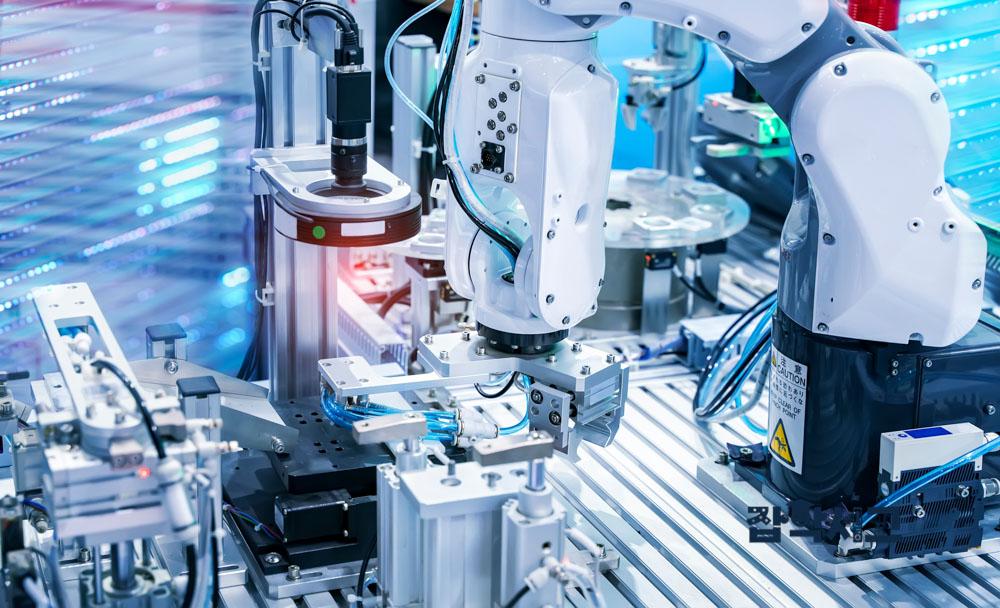 Rapidly Advancing Robotics
Robotics in Antiquity and the Renaissance
The history of robotics dates back to ancient Greece and Rome. At the time, it simply referred to mechanical devices intended to assist human labor, and most of what was produced consisted of automated dolls or mechanical devices. During the Renaissance, geniuses such as Leonardo da Vinci laid the groundwork for robotics by leaving behind designs for various automatic machines.
Rapid Advances in the 20th Century
Robotics advanced rapidly as the 20th century began. In particular, the introduction of industrial robots in Japan and the United States after World War 2 significantly increased productivity and efficiency. Robots during this period mainly handled simple, repetitive tasks such as welding and assembly in automotive manufacturing processes. These robots were primarily driven by electromechanical systems and performed predetermined movements through programming.
Advances in Modern Robotics
In modern times, robotics began to incorporate software alongside mechanical and electronic components. In particular, advances in artificial intelligence (AI) have enabled robots to perform complex cognitive tasks in addition to simple, repetitive work. Through machine learning and deep learning technologies, robots have gained the ability to perceive their surroundings, make decisions autonomously, and learn.
Advances in Sensor Technology
Advances in sensor technology have also enabled robots to collect and analyze various forms of data in real time. For example, cameras and LiDAR sensors allow robots to perceive their surroundings in 3 dimensions and use this information to perform advanced tasks such as autonomous driving and object recognition.
Integration with Networks
Another important development in modern robotics is its integration with networks. Through the internet and cloud computing, robots can exchange data in real time, be controlled remotely, and receive continuous updates and improvements. This has enabled robots to carry out tasks with greater intelligence and flexibility.
Advances in Physical Design
Finally, advances in physical design also play an important role. Whereas hard, heavy metals were primarily used in the past, lightweight yet strong materials and flexible structural designs are being applied today. As a result, robots have gained the ability to perform more varied and complex tasks.
Artificial Intelligence and Autonomous Driving: Key Innovations in Robotics
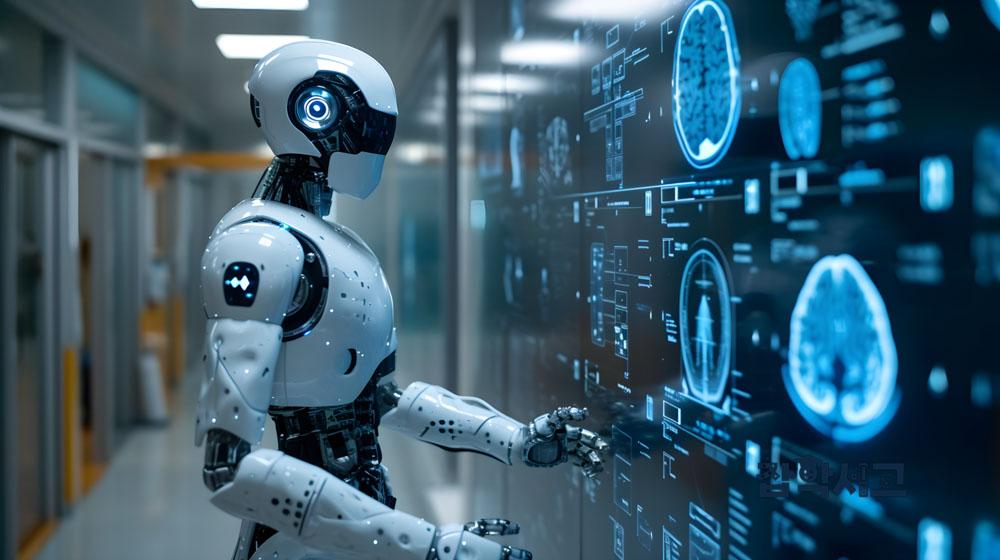 What Are the Key Technologies Driving Advances in Robotics?
The Role of Artificial Intelligence
Artificial intelligence (AI) has established itself as a key innovation in modern robotics. AI is an important technology that enables robots to make decisions and act autonomously in complex environments. In particular, machine learning and deep learning technologies allow robots to learn from data and improve their performance through experience. For example, image recognition technology enables robots to identify specific objects and perform appropriate actions accordingly.
Innovations in Autonomous Driving Technology
Autonomous driving technology is another important innovation in robotics combined with AI. Self-driving vehicles can analyze road conditions in real time, select optimal routes, and operate safely. Various sensors, cameras, and advanced algorithms are used for this purpose. Autonomous driving technology offers benefits such as reducing traffic accidents and easing traffic congestion, and it is expected to bring major changes to logistics and transportation.
Innovations in Industrial Settings
The combination of AI and autonomous driving in robotics is also bringing major innovations to industrial settings. For example, self-driving robots can automatically handle logistics in warehouses or manufacturing processes, thereby reducing logistics costs and significantly improving operational efficiency. Collaborative robots (Cobot) also work alongside human workers in factories, enabling tasks to be carried out safely and efficiently.
Innovations in Medicine
In particular, the use of AI and self-driving robots in medicine is noteworthy. Medical robots equipped with AI can perform surgery precisely and automatically transport medical equipment or medications within hospitals using autonomous driving capabilities. This can improve the quality of medical services and reduce the workload of medical staff.
Innovations in Agriculture
Self-driving robots are also being actively used in agriculture. Self-driving tractors and drones can significantly improve agricultural productivity by monitoring crop growth and automatically performing necessary tasks. AI-based analysis technology also provides the ability to detect crop diseases early and take appropriate action.
Advances in Service Robots
Finally, AI and autonomous driving technologies also have considerable potential in the field of service robots. For example, household cleaning robots and delivery robots can perform tasks efficiently through autonomous driving capabilities and use AI to interact with users and provide personalized services. These service robots will make our everyday lives more convenient.
Examples of Robot Applications in Industrial Settings
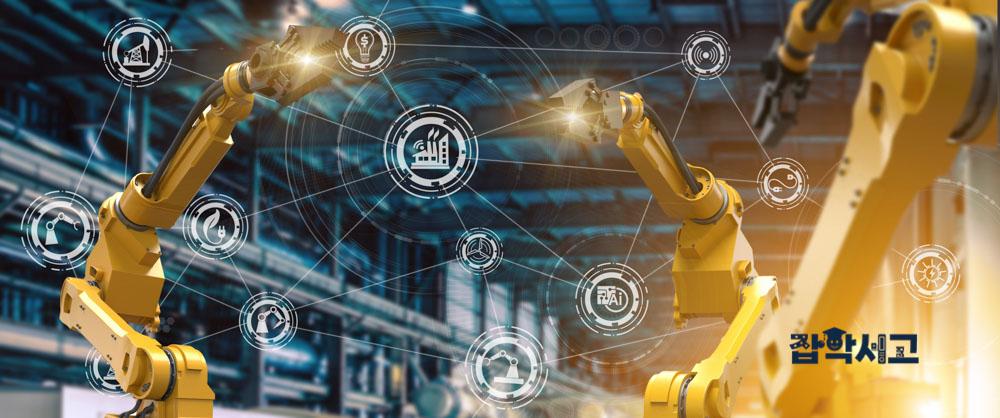 How Are Robots Used Across Industries?
Automotive Manufacturing
The use of robotics in industrial settings is significantly improving productivity and efficiency. In particular, the use of robots is essential in automotive manufacturing. Automotive manufacturing processes require various tasks such as welding, painting, and assembly, for which precision and repeatability are important. Robots can perform these tasks accurately and quickly, thereby significantly increasing production efficiency.
Electronics Manufacturing
Robots are also being actively used in electronics manufacturing. Semiconductor manufacturing processes require delicate, precise work, and robots can perform these tasks with greater precision than humans. Robots can also assemble components quickly and accurately in electronics assembly processes, thereby reducing defect rates and increasing production speed.
Logistics and Warehouse Management
The use of robots is also increasing in logistics and warehouse management. Self-driving logistics robots can automatically transport and organize goods within warehouses, thereby reducing logistics costs and improving operational efficiency. For example, Amazon is automating its logistics warehouses by introducing robots from Kiva Systems, which has significantly increased the speed of logistics processing.
Construction Sites
Robots also play an important role on construction sites. Construction robots can automatically perform various construction tasks, such as bricklaying, concrete pouring, and painting. This can improve the precision and safety of work and reduce accidents involving casualties on construction sites. Japan's Sharp is introducing construction robots to automate the construction of supertall buildings.
Agriculture
The use of robots is also attracting attention in agriculture. Self-driving tractors and drones can significantly improve agricultural productivity by monitoring crop growth and automatically performing necessary tasks. Harvesting robots can also automatically harvest fruits and vegetables, thereby reducing labor costs and improving harvesting efficiency.
The Service Industry
Finally, the use of robots is gradually expanding in the service industry as well. In hotels and restaurants, serving robots can deliver food to customers, while cleaning robots can clean guest rooms or public spaces. This can improve service quality and address labor shortages. Henn-na Hotel, a Japanese hotel chain, is innovating its customer service by actively introducing robots.
An Analysis of the Future Prospects and Social Impact of Robotics
 How Will Robotics Change in the Future?
Future Prospects for Robotics
The future prospects for robotics are very bright. In particular, self-driving robots combined with artificial intelligence are expected to bring innovation to various industries. Self-driving vehicles will reduce traffic accidents, ease traffic congestion, and significantly improve the efficiency of logistics and transportation. Autonomous drones can also be used in various fields, such as logistics delivery, agricultural monitoring, and disaster relief.
Robotics in Healthcare
Advances in robotics are also expected in healthcare. Medical robots equipped with AI can increase surgical accuracy, help patients recover faster, and reduce medical costs. Robots can also perform various roles within hospitals, such as patient monitoring, medication delivery, and rehabilitation therapy. These technologies will make a significant contribution to improving the quality of medical services in an aging society.
Robotics in Education
Advances in robotics will also bring important changes to education. Educational robots can provide students with new forms of learning experiences and support individually tailored learning. For example, robots can provide learning materials suited to students' learning pace and abilities and maximize learning effectiveness through real-time feedback. Robots will also play an important role in distance education.
Social Impact and Changes in the Labor Market
However, advances in robotics also have social impacts. In particular, automation and the introduction of robots may cause some occupations to disappear, leading to changes in the labor market. For example, jobs involving simple, repetitive tasks are highly likely to be replaced by robots. Therefore, the creation of new jobs and retraining programs are needed to address these changes.
Privacy and Safety Issues
Advances in robotics can also create privacy and safety issues. There is a risk of personal information being leaked as robots collect and analyze various data, and accidents may occur due to malfunctions in self-driving robots. Legal regulations and technical improvements are needed to address these problems.
Ethical Issues Between Humans and Robots
Finally, advances in robotics will also bring major changes to the way humans and robots interact. As robots move beyond being simple tools and become members of society, ethical issues between humans and robots will also emerge as important concerns. For example, ethical judgment in robots' decision-making processes and the building of trust between robots and humans will become important challenges.
In modern society, advances in robotics are bringing innovation to various industries and having a major impact on our everyday lives. Self-driving robots combined with artificial intelligence are increasing productivity and efficiency while also providing safety and convenience.
However, these advances also bring social impacts and ethical issues, so preparation and responses are needed. The future of robotics is very bright, and we will be able to use these technologies to build a more prosperous and safer society.