South Korea's information and communications technology (ICT) is among the world's recognized advanced technologies, exerting a major influence on the global economy and society. South Korea has maintained a leading position in ICT through continuous innovation and development, and this technological excellence has become an important driving force for the digital economy and a sustainable future.
This material will examine how South Korea's ICT has secured a leading position, explore its history of development, and analyze in detail how it contributes to the environment and drives economic change.
South Korea's Information and Communications Technology: A Leading Position and Global Influence
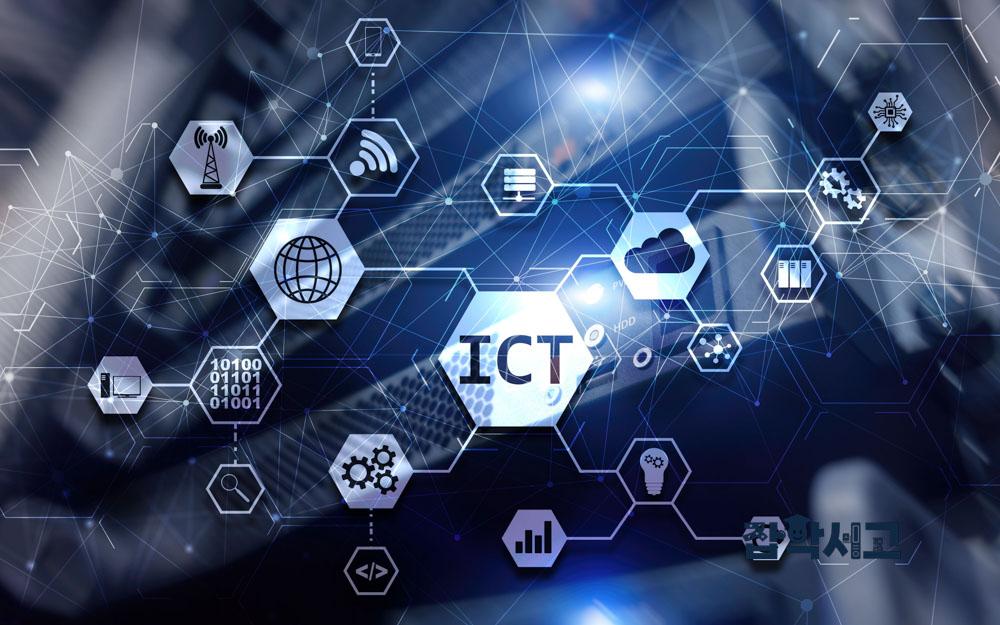 South Korea's Outstanding ICT Capabilities
Excellence in ICT Infrastructure
South Korea has established itself as a global leader in information and communications technology. With broadband internet penetration and smartphone usage rates among the highest in the world, South Korea boasts outstanding ICT infrastructure. This infrastructure plays an important role in enabling South Korea to lead digital innovation and technological development.
Pioneering Adoption of 5G Technology
In particular, the commercialization of 5G technology was an important milestone that firmly established South Korea as a leading nation in ICT. In 2019, South Korea became the first country in the world to commercialize 5G, driving high-speed data transmission and the expansion of various IoT (Internet of Things) services.
Technology Companies in the Global Market
South Korea's technology companies also exert considerable influence in the global market. Samsung Electronics and LG Electronics are strengthening their positions as global leaders in smartphones and home appliances, while Naver and Kakao are introducing innovative models for digital platforms and mobile services.
Government Policy Support
The South Korean government also provides strong policy support for ICT development. It actively promotes research and development in the core technologies of the 4th Industrial Revolution, including AI (artificial intelligence), big data, and cloud computing, while strengthening national competitiveness through its Digital New Deal policy.
Role as a Global ICT Leader
These efforts play an important role in maintaining South Korea's leading position in global ICT. By continuously pursuing technological development and innovation, South Korea is expected to continue having a major influence on the global economy and society.
South Korea's ICT continues to expand its competitiveness and influence in the global market beyond its technological excellence. Through these efforts, South Korea will further consolidate its role as a hub of the future digital economy.
At the Heart of Digital Innovation: The History of ICT Development in South Korea
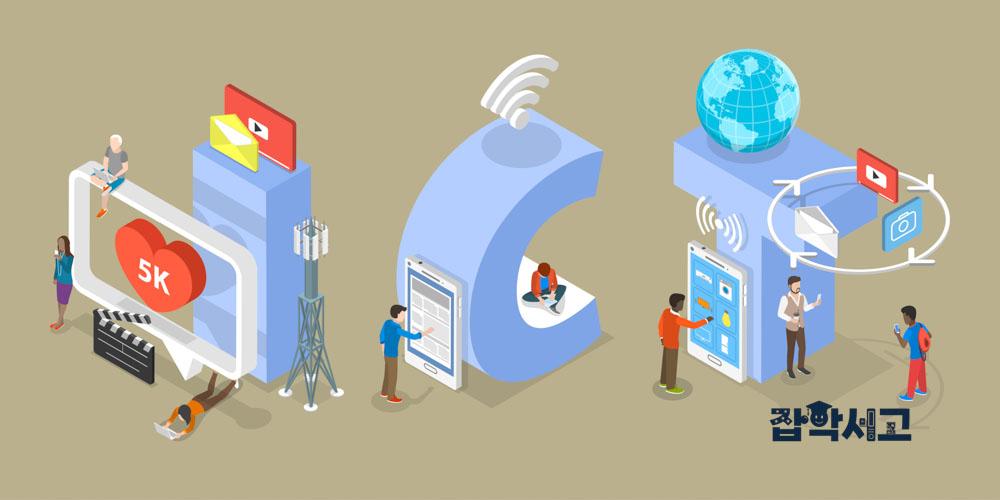 How Did South Korea's Information and Communications Technology (ICT) Develop?
Early Informatization Strategies: The 1980s
The history of information and communications technology development in South Korea is itself a history of digital innovation. South Korea's ICT development, which began in the 1980s, is the product of a systematic strategy implemented through cooperation between the government and the private sector.
Broadband Internet Expansion: The 1990s
In the early 1980s, South Korea established informatization as a key strategy for national economic development. Large-scale investments in infrastructure accompanied the implementation of government-led informatization policies. As a result, broadband internet expanded rapidly in the 1990s, and South Korea became one of the countries that built broadband internet networks most quickly.
The Mobile Revolution: The 2000s
The mobile revolution gained full momentum in the 2000s. South Korea became the first country in the world to commercialize CDMA (Code Division Multiple Access) technology, ushering in a new era of mobile communications. During this period, Samsung Electronics and LG Electronics strengthened their competitiveness in the global market and led innovation in smartphones and mobile communications technology.
The Expansion of Mobile Internet: The 2010s
In the 2010s, mobile internet expanded rapidly alongside the commercialization of 4G LTE. During this period, the mobile content and services industries grew rapidly, and digital platform companies such as KakaoTalk and Naver emerged, creating new business models.
The 4th Industrial Revolution and the 5G Era: The Present
Today, with the commercialization of 5G, the core technologies of the 4th Industrial Revolution, including AI, IoT, and cloud computing, are developing rapidly. South Korea is using these technologies to achieve digital innovation in various fields, including smart cities, autonomous vehicles, and healthcare.
Growth into an ICT Powerhouse
The history of South Korea's ICT development has brought technological innovation along with social and economic change. Various factors, including cooperation between the government and the private sector, continued investment in research and development, and stronger competitiveness in the global market, have combined to make South Korea the ICT powerhouse it is today.
ICT's Environmental Contributions to a Sustainable Future
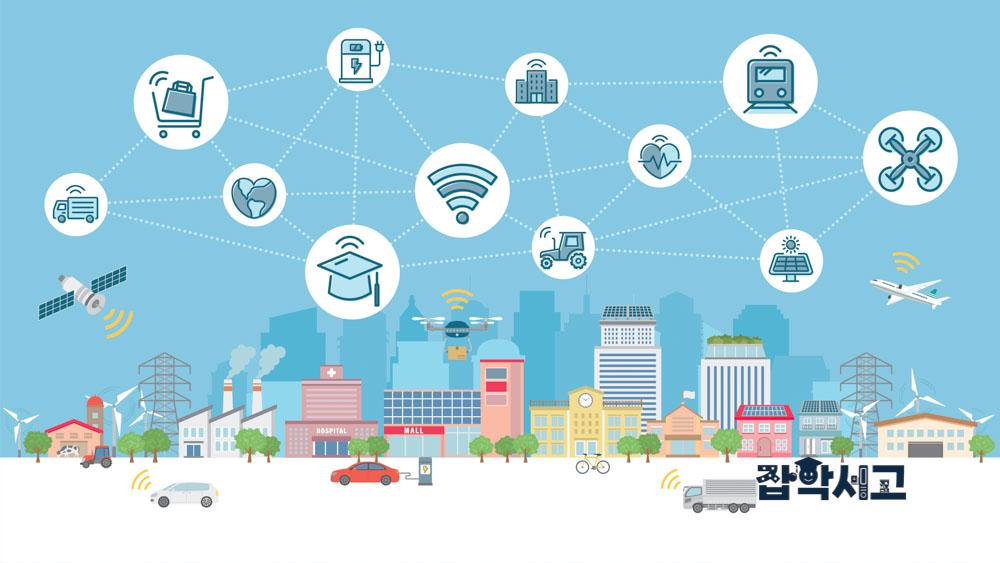 ICT Applications in Various Fields
Improving Energy Efficiency and Reducing Greenhouse Gas Emissions
South Korea's ICT also has a positive environmental impact. Improving energy efficiency and reducing greenhouse gas emissions through digital technology is one of the important tasks for a sustainable future.
Smart Grid Technology
Smart grid technology is a representative example. By building smart grids, South Korea is improving the efficiency of its electricity supply and maximizing the use of renewable energy. These efforts contribute to energy conservation and reductions in greenhouse gas emissions.
IoT-Based Smart Home Systems
Smart home systems using IoT technology also provide substantial help in conserving energy. Systems are being introduced that monitor energy use in real time through IoT sensors and automatically optimize energy consumption. This reduces household energy use and contributes to environmental protection.
Environmental Management Using AI and Big Data
Environmental management systems using AI and big data also deserve attention. These systems monitor air quality, water quality, soil pollution, and other conditions in real time, analyze the data, and propose efficient management measures. This plays an important role in reducing environmental pollution and creating a sustainable environment.
Renewable Energy Management
ICT also enables the efficient management of renewable energy. Systems are being developed to optimize the production, storage, and distribution of renewable energy such as solar and wind power, contributing to maximizing the use of renewable energy and reducing carbon emissions.
In conclusion, South Korea's ICT serves as an important tool for a sustainable future through its environmental contributions. Various efforts using digital technology provide substantial help in protecting the environment and improving energy efficiency, forming an important foundation for sustainable development.
Economic Changes and Opportunities Brought by Information and Communications Technology
 What Future Will Information and Communications Technology Bring?
A Driving Force for Economic Growth
Information and communications technology plays an important role in creating economic change and opportunities. South Korea's ICT development serves as a major driving force for economic growth, promoting economic diversification through new business models and job creation.
Stimulating the Digital Economy
The stimulation of the digital economy is a representative example. New industries based on digital technology, including e-commerce, fintech, and digital content, are growing rapidly, driving innovation throughout the economy. In particular, since the onset of the COVID-19 pandemic, the contactless economy has grown rapidly, accelerating digital transformation.
Digitalization of Traditional Industries
ICT also contributes to improving productivity and strengthening competitiveness through the digitalization of traditional industries. In manufacturing, the introduction of smart factories is automating production processes and maximizing efficiency. This plays an important role in increasing the added value of manufacturing and strengthening its global competitiveness.
Creating New Jobs
ICT also provides opportunities to create new jobs. Demand for specialists involved in research and development in emerging technology fields such as AI, big data, and cloud computing is increasing, positively affecting job creation. In addition, a more active startup ecosystem promotes entrepreneurship and innovation, bringing vitality to the economy.
Strengthening Global Competitiveness
South Korea's ICT development also plays an important role in strengthening competitiveness in the global market. South Korea's technology companies are expanding exports based on their strong competitiveness in the global market, making a substantial contribution to the national economy. In particular, exports of high-value-added products such as semiconductors and smartphones serve as an important factor driving economic growth.
In conclusion, information and communications technology serves as an important driving force for economic change and opportunities. It contributes to the economy in various ways, including the growth of the digital economy, the digitalization of traditional industries, the creation of new jobs, and stronger competitiveness in the global market, forming an important foundation for the sustainable growth of South Korea's economy.
South Korea's information and communications technology holds a leading position in the global market based on its innovation and sustainability. The technological excellence accumulated throughout its history of digital innovation plays an important role in bringing about a sustainable future and economic change.
South Korea's ICT will continue to develop and innovate as an important tool for achieving both environmental protection and economic growth.