Drones, or unmanned aerial vehicles, are one of the modern technologies whose use is growing across many fields, from military purposes to commercial, industrial, and personal use.
These drones are controlled by radio signals and can be integrated with a variety of devices such as cameras, sensors, and GPS. Recently, unmanned drones have been drawing attention, offering a glimpse into the future of unmanned aircraft technology.
This article looks at the basic concept of drones, their various fields of use, the technologies needed for autonomous drones, and the future prospects and limitations of drones.
What Is a Drone?
 Drones are steadily expanding their range of activity
A drone is a type of unmanned aerial vehicle that can fly by remote control or autopilot. By integrating various sensors and technologies, drones can collect and transmit data in real time.
Drones come in many sizes and shapes and are equipped with various technologies, such as cameras, sensors, and GPS, to suit specific purposes.
Drone technology continues to advance, and in the future we can expect more automation features, higher payload capacity, longer flight times, and more.
Fields Where Drones Are Used
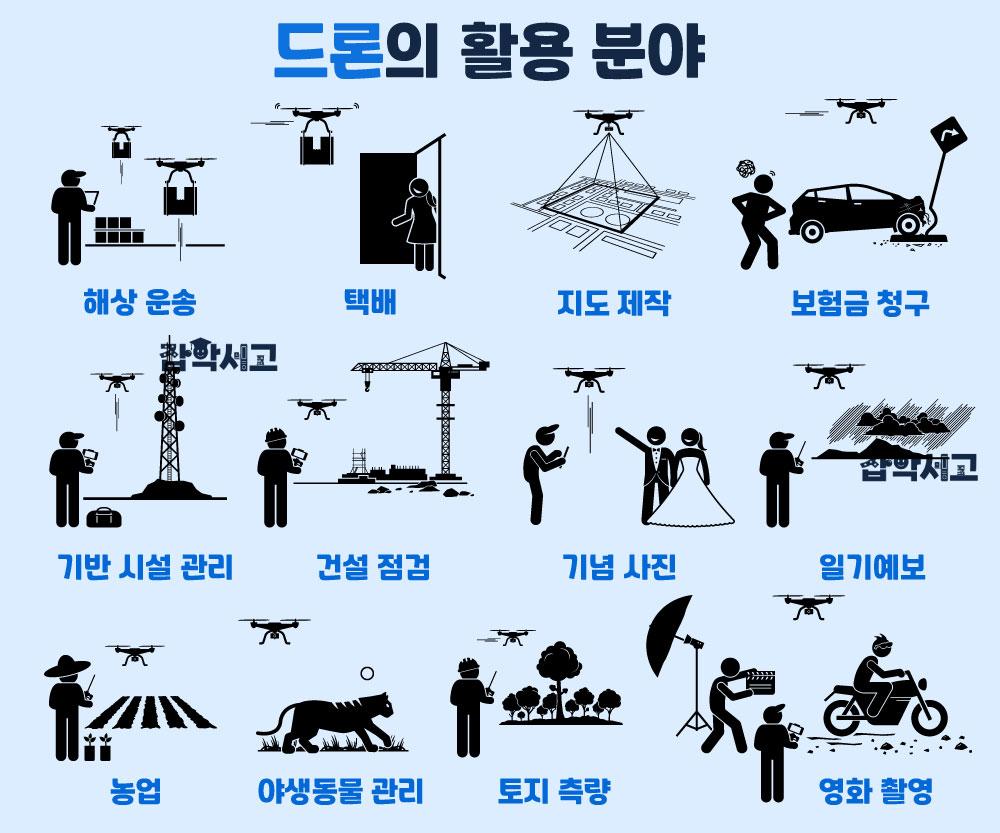 In what fields are drones used?
Thanks to their flexibility and wide range of functions, drones are used in many fields, including the military, rescue, agriculture, commercial filming, real estate, and weather observation. They are also used for real-time monitoring and data collection, helping people make fast and accurate decisions.
Below is a summary of the main fields where drones are used and how they are used in each. It may help to refer to it together with the image above that summarizes the fields where drones are used.
Filming and Surveying
Video filming: Drones are used to capture high-resolution aerial footage for commercials, films, and TV dramas. They make it possible to shoot panoramic views from high above and provide unique visual effects.
Terrain surveying: Drones are used for terrain surveying and 3D mapping and can collect precise terrain data in real time.
Monitoring and Inspection
Industrial facility inspection: Drones are used for safety inspections and maintenance of industrial facilities. For example, using drones at power plants or chemical plants where work at height is required can minimize risk.
Agricultural monitoring: Drones are used to monitor the growth of crops and to detect diseases or pest outbreaks early.
Rescue and Emergency Aid
Disaster rescue: When disasters strike, drones are used to search for missing people or to provide rescue teams with the information they need.
Emergency supply delivery: In emergencies, drones can be used to deliver first-aid supplies or medicines quickly.
Delivery
Unmanned delivery services: Some companies are testing services that use drones to deliver goods or food quickly. This can be especially useful for avoiding traffic congestion in urban areas or delivering goods to remote areas.
Weather Observation and Environmental Monitoring
Weather data collection: Drones are used to monitor weather conditions and collect weather data.
Environmental monitoring: Drones are used for various environmental monitoring tasks, such as tracking pollution, surveying wildlife, and watching for wildfires.
Education and Research
Academic research: Drones give scientists and researchers the ability to collect data in real time and are used in a wide range of academic research.
Drone education: Drones are used to provide students with STEM (Science, Technology, Engineering, Mathematics) education.
These diverse uses of drones show their technological potential and their social and economic benefits. With more advanced technology and improvements in the regulatory environment, drones are expected to be used in an even wider range of fields in the future.
What Technologies Do Unmanned Drones Need?
 What technologies do unmanned drones need?
The core goal of unmanned autonomous drones is to fly and perform tasks safely and efficiently without human intervention. Unmanned drones can fly and carry out tasks automatically by integrating a variety of technologies, such as GPS, automatic navigation systems, collision avoidance systems, artificial intelligence, and machine learning.
Let's look at the technologies unmanned drones need through the items below.
GPS (Global Positioning System)
GPS is used to give a drone accurate location information so it can determine its current position and plan a route to its destination.
Automatic Navigation System
An automatic navigation system uses GPS data and internal sensor data to let a drone automatically plan and adjust its flight path.
Collision Avoidance System
This is a system that uses LiDAR or sonar sensors and computer vision technology to sense the surrounding environment and avoid obstacles so the drone can fly safely.
Artificial Intelligence (AI) and Machine Learning
Artificial intelligence and machine learning technologies help drones learn and adapt on their own in dynamic environments and perform tasks more efficiently.
Communication System
Drones need a wireless communication system that can send and receive data in real time. This allows a drone to stay in contact with a remote control center and to be operated remotely when necessary.
Sensors and Data Collection Systems
Various sensors are used by drones to collect and analyze environmental data. For example, cameras, temperature sensors, and humidity sensors can be mounted on a drone.
Battery Technology and Energy Management Systems
High-performance batteries and energy management systems help drones achieve longer flight times and use energy efficiently when needed.
Real-Time Data Processing and Analysis Technology
Drones often need to process and analyze data in real time. This requires powerful onboard computers and data processing algorithms.
Security Technology
A drone's communications and data must be secure and safely protected from hacking and unauthorized access.
These technologies interact with one another and help unmanned drones fly and perform tasks safely and efficiently.
Prospects and Limitations of Drones
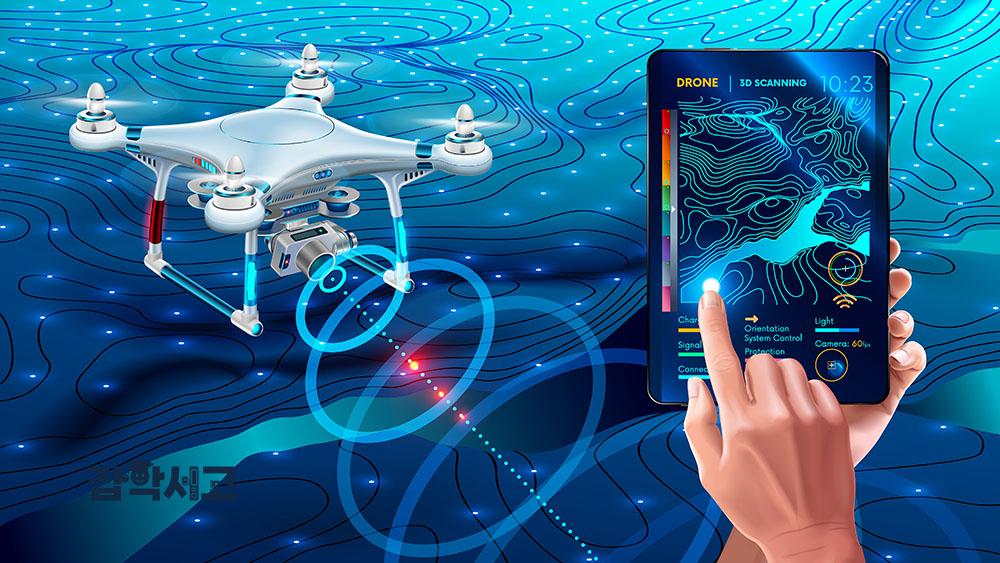 What are the prospects and limitations of drones?
Advances in drone technology open up endless possibilities, but at the same time they come with several limitations and challenges. The prospects and limitations of drones can be explained separately as follows.
Prospects
Unmanned delivery services
Unmanned delivery services using drones are expected to bring innovation to logistics, and in particular they will help solve delivery problems caused by traffic congestion in cities and by remote locations.
Integration of Automation and AI Technology
The level of drone automation will continue to rise, and the integration of artificial intelligence (AI) and machine learning will make drones operate more smartly and efficiently.
Expanded Use in Industry and Other Fields
The use of drones in fields such as rescue, monitoring, inspection, agriculture, and environmental monitoring is likely to expand further and become more active.
Connection with 5G
The introduction of 5G communication technology is expected to greatly improve drones' real-time data transmission and processing capabilities, which will further encourage their many uses.
Limitations
Legal and Regulatory Restrictions
Currently, the use and development of drone technology are limited by legal and regulatory restrictions. In particular, safety in the air, privacy protection, and permits for unmanned delivery services are considered major issues.
Security Issues
Drone communications and data security are exposed to the risk of hacking and unauthorized access, which affects the reliability and stability of drone technology.
Energy Efficiency and Battery Life
Current drone battery life is relatively short, which limits drones' flight time and working capacity. Improved battery technology and energy efficiency are needed.
Collision Avoidance and Safety Technology
Drone collision avoidance and safety technologies are not yet perfect, so safe flight, especially in complex and dynamic environments, still needs to be researched.
Communication Infrastructure and Technology
Reliable communication infrastructure and technology are essential for operating drones efficiently, and current communication technology may not be sufficient to make full use of drones.
In short, drone technology continues to advance and offers a range of possibilities, including unmanned autonomous piloting, higher payloads, and longer flight times. However, limitations such as legal restrictions, privacy violations, and cost still exist, and these problems must be solved before drone technology can be used more widely.
Drones are an interesting tool that reflects present and future technology trends. Their many possible uses and unmanned autonomous piloting technology offer limitless possibilities, and advances in drone technology are expected to have a major impact on our society and industries.
At the same time, however, we must recognize that several limitations, such as legal and ethical issues, are restricting the development and use of drone technology, and that solving these problems is important.