The Internet of Things is a rapidly growing field of technology in modern society, referring to a system in which the objects around us are connected to one another through the internet and can exchange information.
The applications and prospects of this technology are virtually limitless, and it is expected to bring innovative change and positive effects to our daily lives.
This article takes a detailed look at the concept of the Internet of Things, the technologies it uses, its fields of application, and its outlook.
What Is the Internet of Things (IoT)?
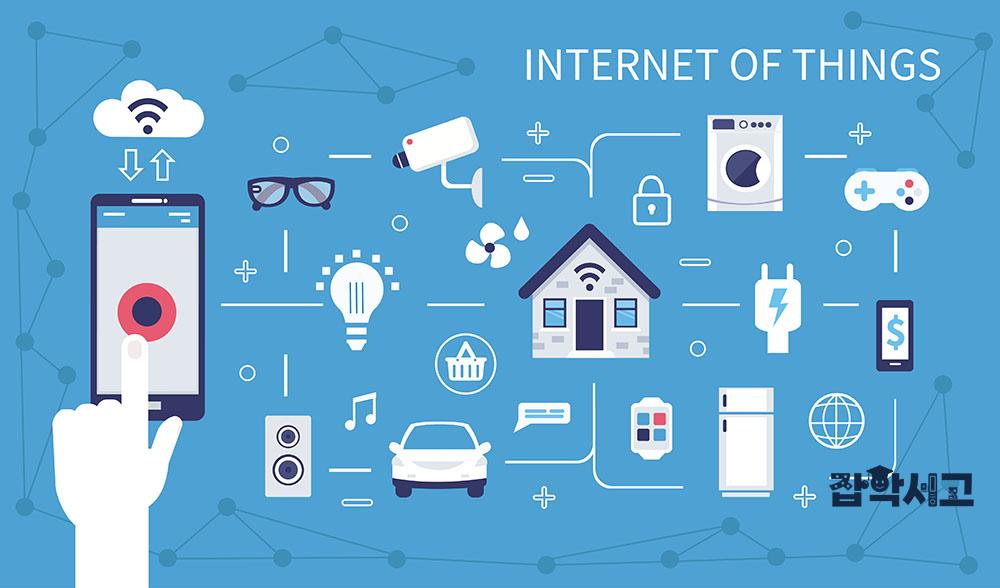 Diagram of the Internet of Things concept
The Internet of Things (IoT) is a technology that embeds sensors and communication functions in objects and connects them to the internet. This allows objects to collect and share data in real time so that they can be operated smartly.
Unlike the conventional internet, the Internet of Things is characterized by its focus on communication between people and things, enabling a wide variety of objects around us to connect to a network and interact.
What Technologies Does the Internet of Things Use?
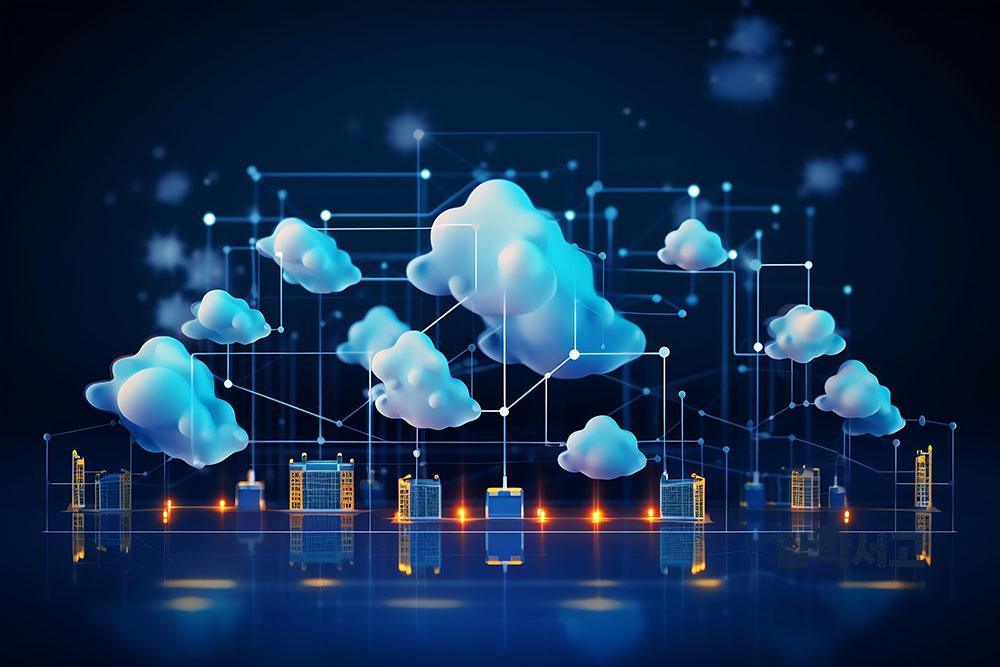 Cloud computing related to the Internet of Things
The core technologies of the Internet of Things are sensor technology, communication technology, and data analysis technology. Sensor technology detects and measures data generated by objects, making it possible to understand their condition.
Communication technology enables communication between objects and the internet and handles the sending and receiving of data. Finally, data analysis technology analyzes the collected data to extract useful information.
Based on these concepts, the main technologies for implementing and expanding the Internet of Things are summarized below.
Sensors and Actuators: Physical devices for detecting or controlling the state of objects. Examples include temperature sensors, humidity sensors, motion sensors, and light sensors.
Communication Protocols: Rules that enable data exchange between IoT devices. Examples include MQTT, CoAP, HTTP, and WebSockets.
Wireless Networks: Wireless communication technologies such as Wi-Fi, Bluetooth, ZigBee, Z-Wave, LoRa, NB-IoT, and 5G increase the connectivity of IoT devices.
Gateways and Middleware: These mediate connections between IoT devices and cloud servers and handle data conversion and processing.
Cloud Services and Data Storage: Platforms such as AWS IoT, Google Cloud IoT, and Azure IoT store, process, and analyze data and integrate it with other systems.
Data Analytics: Big data and streaming data analysis tools are used to analyze the data collected from IoT devices and gain insights.
Security: Technologies for strengthening the security of IoT devices and networks. These include methods such as encryption, authentication, authorization, and firmware updates.
Embedded Systems: Computer systems that run on IoT devices and are optimized for specific tasks.
API (Application Programming Interface): An interface that allows different software applications to communicate with one another.
Smart Contracts and Blockchain: Technologies that connect with IoT to make security and transaction processes transparent.
Applications of the Internet of Things
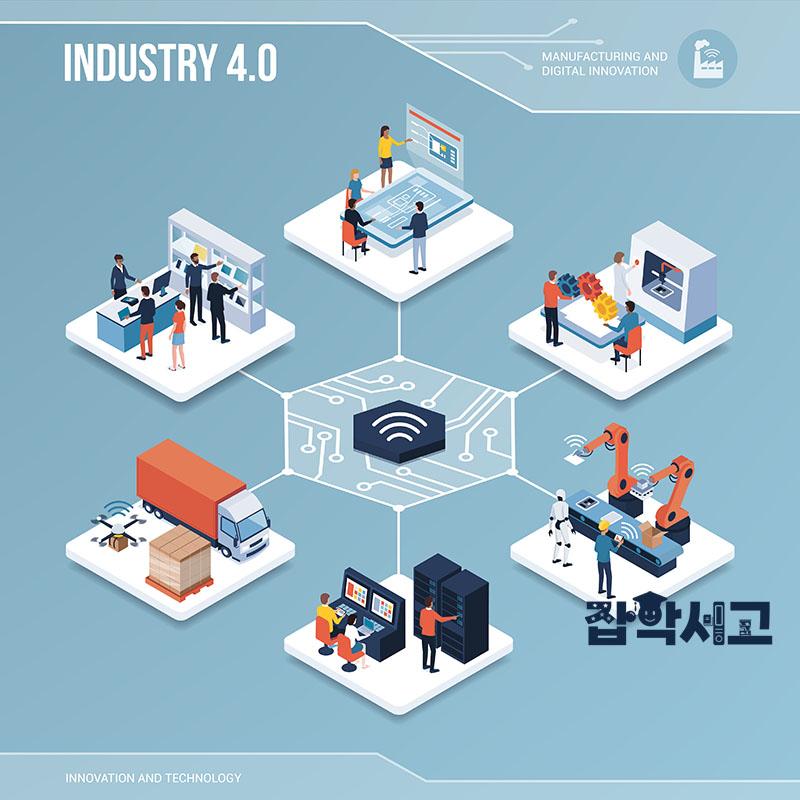 What is the Fourth Industrial Revolution linked to the Internet of Things?
The Internet of Things (IoT) is driving innovative change in many fields. From smart home systems in households to city-scale smart city projects, IoT is making a major contribution to optimizing and streamlining many parts of our daily lives and industries.
Use cases in areas such as health monitoring, agriculture, energy management, and environmental protection show the limitless potential of IoT. Some rough examples of the fields where it is used are as follows.
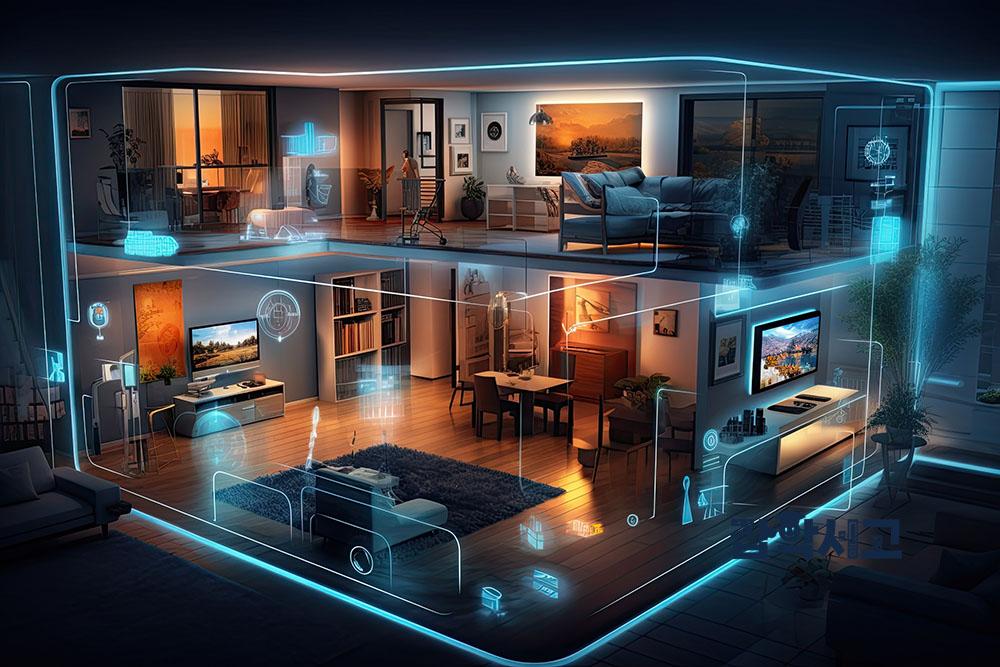
Smart Homes: Smart lights, smart plugs, smart heaters, and similar devices can be controlled remotely to manage and optimize household electricity use. Smart doorbells and cameras also let people check visitors remotely.
Smart Cities: Parking lots, traffic flow, lighting, and environmental sensors within a city can be used to manage and optimize city operations efficiently.
Healthcare: Wearable devices can monitor health indicators such as heart rate, blood pressure, and activity levels and send alerts to medical staff when needed.
Industrial Automation: Monitoring the condition and operating hours of machines in manufacturing plants in real time allows preventive inspections and maintenance to be managed efficiently.
Agriculture: Sensors for humidity, temperature, soil moisture, and more can monitor the condition of crops and help optimize crop yields.
Energy Management: Smart grids can be used to monitor electricity use in real time and efficiently balance power supply and demand.
Automobiles and Transportation: Connected cars provide drivers with information such as real-time traffic updates, parking locations, and accident alerts.
Retail and Supply Chain Management: RFID tags and sensors can be used to carry out tasks such as inventory management, product tracking, and supply chain optimization effectively.
Environmental Monitoring: Various sensors can monitor environmental indicators such as air quality, water quality, and radiation levels, and environmental protection measures can be taken based on the results.
Smart Buildings: Monitoring and optimizing energy use, lighting, air quality, and more within buildings can reduce operating costs and improve quality of life.
The Outlook for the Internet of Things
 What does the future hold for the Internet of Things?
The outlook for the Internet of Things is very bright. IoT technology continues to advance, and more and more kinds of objects are expected to be connected to networks.
The number of IoT devices worldwide keeps growing, and this growth is directly tied to increased use in industry, consumer devices, agriculture, healthcare, and many other fields.
Along with this, artificial intelligence (AI) can combine naturally with IoT and play an important role in data analysis and automated decision-making. AI will help make efficient and intelligent decisions using IoT data.
Another concept is edge computing. Whereas conventional cloud computing supports centralized storage and processing of data, edge computing processes data close to the device. This shortens response times and minimizes bandwidth use.
On the other hand, as IoT spreads, security has become an important consideration. As a result, demand is expected to grow for advanced security technologies that protect devices and data from the threat of cyberattacks.
Technological advances, market demand, and the emergence of new use cases support the continued growth of IoT, which will bring innovative change to our daily lives and to every sector of industry.
The Internet of Things (IoT) has established itself as one of the technological innovations our generation will experience. By connecting physical objects with the digital world, this technology opens new paths for exchanging information and interacting. As a result, efficiency, convenience, and intelligence have improved in many aspects of daily life.
The possibilities of IoT are almost limitless, and its uses in fields we are already experiencing, such as smart homes, smart cities, healthcare, industry, and transportation, are only the beginning. In the future, IoT will become even more advanced and refined, and new fields of application that we cannot yet imagine will emerge.
Despite this rapid growth and innovation, however, challenging issues such as security and privacy are also coming to the fore. Ongoing research and investment are needed to overcome these problems and earn users’ trust.
In conclusion, the Internet of Things (IoT) is at the center of digital change today and in the future. This technology will improve the quality of our daily lives, create social value, and broaden economic opportunities. We all need to be ready to take part in this change and enjoy its benefits.