The metaverse is a concept in which the real and virtual worlds converge through advances in virtual reality technology and the internet. It means creating a virtual world where people can interact and communicate in real time in virtual spaces.
Unlike the simple information services offered by the existing internet, the metaverse is an innovative technology that combines reality and the virtual world through users' direct participation in virtual spaces.
This article will explore the concept and features of the metaverse, the fields in which this technology can be used, and its prospects.
What Is the Metaverse?
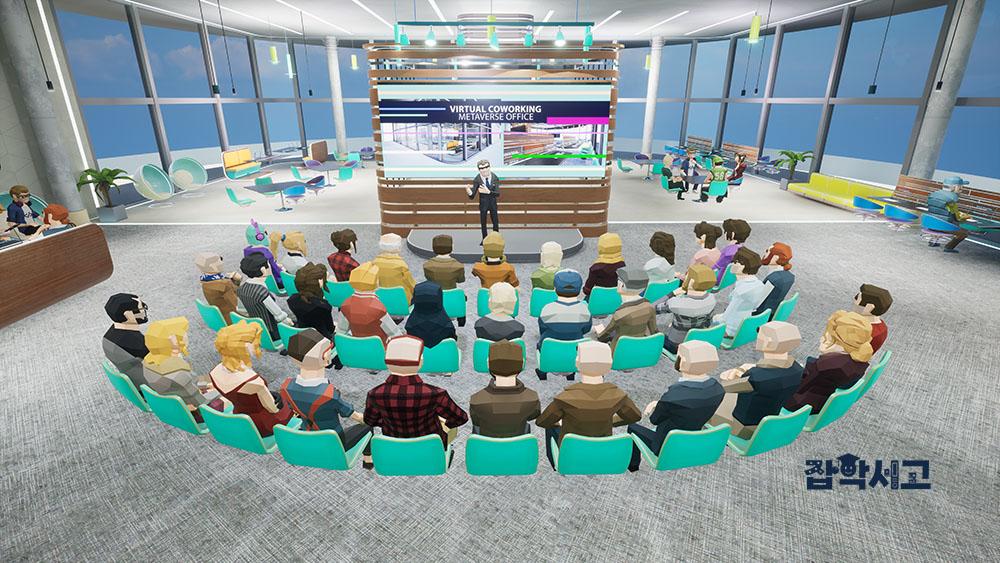 A seminar held in the metaverse
The metaverse refers to the concept of building virtual spaces similar to the real world using Virtual Reality (VR) and Augmented Reality (AR) technologies.
It offers experiences similar to reality through 3D graphics and virtual reality equipment. The metaverse is a space separate from the real world, where users participate as virtually generated players and can interact and communicate with other users.
An advantage of this virtual space is that it has fewer constraints than reality, allowing users to explore and create freely.
Features of the Metaverse
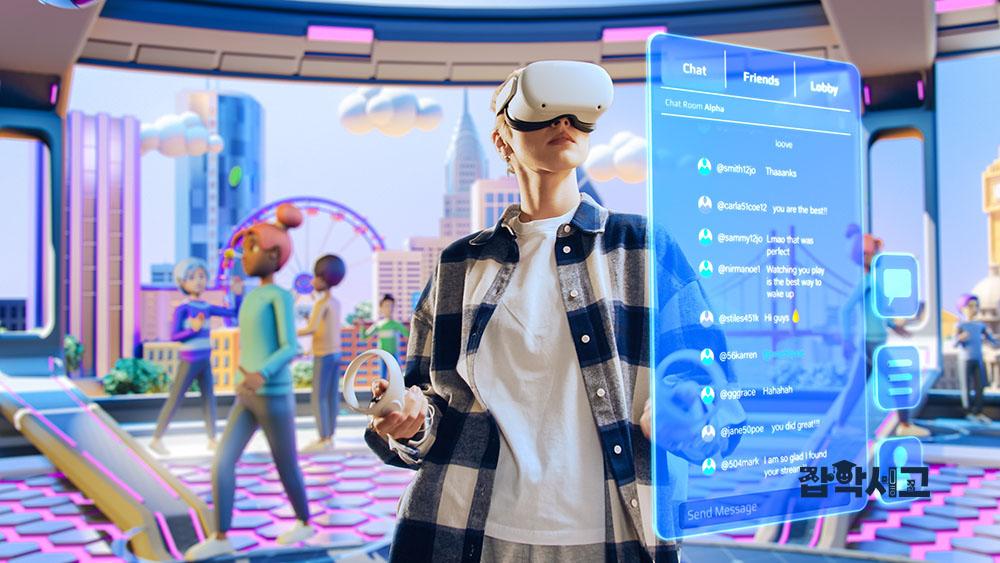 Users can communicate in real time and engage in creative activities.
Diversity and creativity are among the main features of the metaverse. Users can create their own virtual spaces and customize their characters however they wish.
Users can communicate and collaborate with other users in real time, allowing them to have experiences that are impossible in reality. The metaverse also has the advantage of overcoming the constraints of time and space, allowing users to meet without geographical limitations.
The metaverse provides a creative environment where participants can freely explore and create virtual worlds. This allows users to have experiences and interactions that are impossible in reality and enjoy a variety of activities.
In What Fields Can the Metaverse Be Used?
 A meeting using the metaverse
The metaverse provides a space where users can interact and experience a variety of activities in a digital virtual environment. Such environments can bring new opportunities and innovation to various fields, including entertainment, education, business, shopping, culture, and architecture.
Use of the metaverse extends beyond existing experiences, offering users a rich sense of immersion and opportunities for collaboration, and is expected to demonstrate its potential across a variety of fields.
Major overseas IT companies are also investing effort in the metaverse market. For example, Microsoft sees games as a core element of the metaverse and acquired the global gaming company Activision Blizzard, while Facebook has even changed its company name to 'Meta,' demonstrating its strong determination.
The following outlines the fields in which the metaverse can be applied and used.
Entertainment and Gaming
The metaverse offers rich user experiences in gaming and entertainment. Users can participate in virtual events, quests, concerts, and other activities that can only be experienced within a particular game. Interacting in environments similar to reality also allows them to feel more immersed.
Social Networking
The metaverse provides a space where people can interact online in real time. They can communicate with other users through avatars and participate in various activities or events. They can also easily connect and converse with people who would be difficult to meet in real life.
Education
In education, the metaverse can provide students with situations or environments that are difficult to experience in reality. Learning activities can be conducted in virtual laboratories or spaces for field learning, offering learning experiences similar to those in the real world.
Business and Meetings
Companies can use the metaverse to provide virtual meeting rooms or presentation venues. This supports smooth communication and collaboration with employees who are working remotely. New product launches and promotional events can also be held in virtual environments.
Shopping and Fashion
Consumers can visit virtual shopping malls within the metaverse to try out or purchase products. Brands can offer events that allow users to try new products in virtual environments, or sell virtual products for users' avatars to wear.
Culture and Art
The metaverse provides artists and creators with new means of expression. They can display works in virtual art museums or exhibitions, or hold events that offer a variety of cultural experiences.
Architecture and Urban Planning
Architects or urban planners can use the metaverse to simulate what buildings or cities will look like before actual construction begins. This allows them to identify and incorporate design revisions or improvements in advance.
Beyond these areas, the metaverse may also be used in various fields such as health, travel, and sports, and its scope of application is expected to continue expanding as technology advances.
Prospects and Limitations of the Metaverse
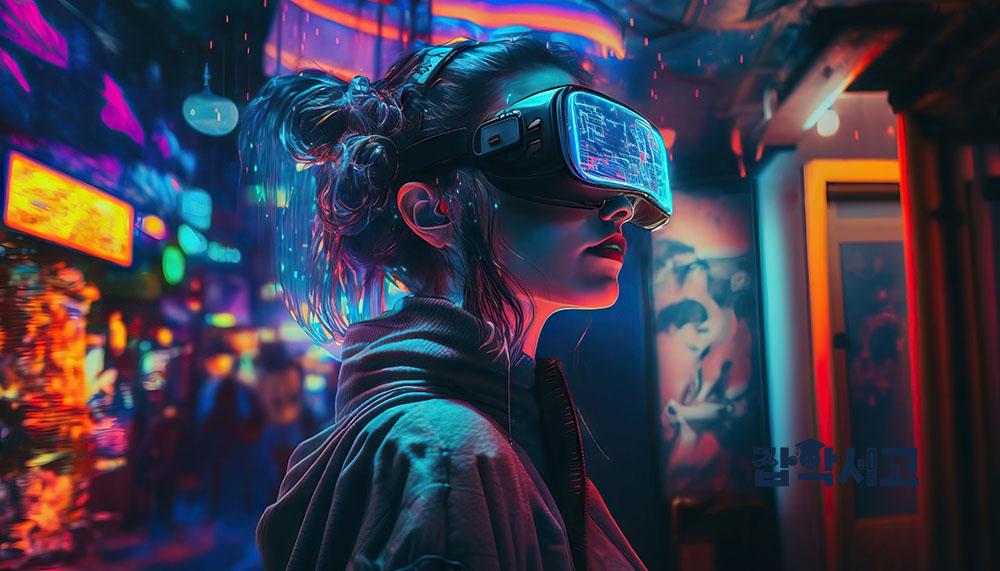 What Are the Metaverse's Prospects and Limitations?
The metaverse is currently developing gradually and is expected to be used in more fields in the future.
First, the metaverse is expected to blur the boundaries between the real and digital worlds and provide users with rich virtual experiences. This will allow them to experience a variety of activities or situations that they cannot encounter in everyday life.
Second, economic systems and transaction methods different from those in the real world will be established within the metaverse. Various business models are expected to emerge, including trading in virtual assets, digital real estate, and brands exclusive to the metaverse.
Third, as activities such as remote work, learning, and leisure take place within the metaverse, connections and interactions between people will become stronger.
Fourth, education using the metaverse will make a variety of experiments and training possible without the risks or cost issues associated with real-world environments.
However, the metaverse also has several limitations. These are also why commercialization has been slow despite the attention it has received for a long time. The relevant factors are as follows.
Technical Barriers
The current metaverse requires high-performance equipment and high internet speeds, which may limit accessibility for some users.
Social and Cultural Resistance
The spread of the metaverse may encounter various forms of resistance among people, including concerns about the increasingly blurred boundary between the 'real' and the 'virtual,' or worries about a loss of social connectedness.
Security and Personal Data Issues
Various activities and transactions within the metaverse can give rise to new security threats. Concerns about leaks or unauthorized use of personal information will also become particularly prominent.
Widening Social Inequality
There is a risk of widening social inequality in areas such as access to the metaverse, the ability to use it, and economic activities within it.
Psychological Effects
Excessive use of the metaverse can weaken connections with the real world, raising concerns about the psychological problems or addiction that may result.
The metaverse is characterized by immersive experiences in digital virtual environments and the blurring of boundaries between the real and digital worlds.
These characteristics present a variety of possibilities, such as new business models, extended reality experiences, and stronger social connections. Innovative changes are expected in various fields, particularly education, entertainment, and business.
However, despite these prospects, the metaverse has several limitations. Technical barriers, social and cultural resistance, security and personal data issues, and psychological effects present challenges that require responses and solutions.
Although the metaverse is expected to play an important role in the digital world of the future because of its potential, it is important to remember that continued research, discussion, and social consensus are necessary for its development and growth.