

등록되지 않은 이미지는 대체 이미지가 표시될 수 있습니다.
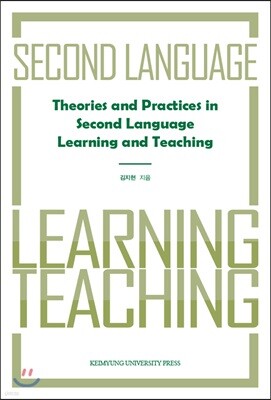
Theories and Practices in Second Language Learning and Teaching
목차
PREFACE … 4
CH. 1 Second Language Acquisition Theories
Behaviorists’ Perspectives on Language Learning … 17
Perspectives on Frist Language Learning … 18
Perspectives on Second Language Learning … 19
Contrastive Analysis … 20
Behaviorism, Contrastive Analysis, and Second Language Teaching … 22
Counter Evidence to the Contrastive Analysis Hypothesis … 22
Innativists’ Perspectives on Language Learning … 25
Universal Grammar (UG) … 26
UG in First Language Acquisition … 27
UG in Second Language Acquisition … 28
Second Language Learning Theory within UG: The Monitor Model … 30
Acquisition-learning hypothesis … 31
Monitor hypothesis … 32
Natural order hypothesis … 33
Input hypothesis … 33
Affective filter hypothesis … 35
Critics on Krashen’s view … 36
Cognitivists’ Views on Language Acquisition … 38
Information Processing Models … 38
Automaticity and proceduralization through practice … 40
Restructuring … 40
Learner Languages from Cognitive Views … 43
Error analysis … 44
Input, Interaction, Output, and Attention in Second Language Acquisition … 46
Input in Language Acquisition … 47
Input for comprehension vs. acquisition … 48
Interaction in Second Language Learning … 49
Interaction hypothesis … 50
Corrective feedback in interaction … 53
Output in Second Language Learning … 58
Attention in Second Language Learning … 62
Noticing hypothesis … 63
Sociocultural Theory … 65
Zone of Proximal Development … 66
Other Regulation and Self-Regulation … 67
Chapter Concluding Remarks … 69
CH. 2 Learner Individual Differences Motivation … 74
Language Learning Aptitude … 77
Learning Styles … 80
Personality … 83
Willingness to Communicate … 85
Learning Strategies … 86
Age … 90
Effects of Age on Second Language Learning … 91
Some empirical studies into age and second language learning … 91
Explanations for age-related phenomenon … 95
Chapter Concluding Remarks … 96
CH. 3 Teaching Methods and Approaches Early Approaches to Language Teaching … 102
The Grammar-Translation Method … 102
The Direct Method … 103
The Audiolingual Approach … 104
More Recent Approaches to Language Teaching … 105
The Cognitive Approach … 105
The Affective-Humanistic Approach … 106
The Comprehension Approach … 107
The Communicative Approach … 107
Communicative language teaching … 108
Content-based instruction … 113
Task-based instruction … 115
Chapter Concluding Remarks … 117
CH. 4 Teaching Listening Process of Listening Comprehension: Top-down vs.
Bottom-up Processes … 122
Transactional and Interactional Languages … 124
Classroom Instruction … 127
Selecting Listening Materials … 127
Relevance … 127
Authenticity … 127
Task difficulty … 130
Types of text feature … 132
Using Three Stages of Listening … 132
Pre-listening stage … 133
While-listening stage … 135
Post-listening stage … 139
Developing Listening Strategies … 140
Chapter Concluding Remarks … 142
CH. 5 Teaching Speaking Different Types of Speaking Events … 148
The Foundation of Competent Second Language Speaking … 149
Fluency and Accuracy … 150
Appropriacy … 150
Authenticity … 152
Corpus-based second language instruction … 153
Conversation analysis … 154
Classroom Instruction … 154
Accuracy-Oriented Tasks vs. Fluency-Oriented Tasks … 154
Accuracy-based activities … 155
Fluency-based activities … 158
Sample activities … 160
Balancing activities … 164
Selecting Activity … 165
Corrective Feedback in Teaching Speaking … 165
Which error to correct … 167
When to correct the errors … 168
How to correct the errors … 168
Teaching Pronunciation … 170
Chapter Concluding Remarks … 172
CH. 6 Teaching Reading Reading Processes … 176
Intensive Reading and Extensive Reading … 177
Authenticity of Reading Materials … 179
Classroom Instruction … 182
Developing and Utilizing Learners’ Background Knowledge … 182
Selecting Proper Reading Materials … 183
Using Reading Aloud in the Classroom … 184
Working on Fluent Reading … 185
Teaching Reading Strategies … 186
Implementing Three Stages of Reading … 188
Pre-reading stage … 188
While-reading stage … 189
Post-reading stage … 189
Triggering Learner Motivation … 194
Chapter Concluding Remarks … 196
CH. 7 Teaching Writing Differences between Written and Spoken Languages … 200
Genres and Register … 201
Formal Writing and Informal Writing … 202
Product-Oriented vs. Process-Oriented Writing … 202
Coherences and Cohesion … 204
Classroom Instruction … 207
Balancing Product and Process … 207
Using Process-Oriented Writing to Teach Writing Process … 207
Using Collaborative Writing … 212
Making Feedback Helpful and Meaningful … 214
Types of Classroom Writing Activities … 215
Chapter Concluding Remarks … 220
CH. 8 Teaching Grammar Principles for Teaching Grammar … 224
Deductive vs. Inductive Approaches … 224
Form-Meaning-Function Mapping … 227
Classroom Instruction … 230
Presentation-Practice-Production vs. Task-Based Grammar Instruction … 230
Presentation-practice-production (PPP) … 230
Task-based grammar instruction … 232
Characteristics of PPP vs. task-based grammar instruction … 234
Input-Based Grammar Instruction … 235
Input enhancement … 236
Processing instruction … 237
Classroom Techniques and Activities … 240
Chapter Concluding Remarks … 243
CH. 9 Planning a Lesson Designing a Plan … 248
Lesson Objectives … 248
Activities and Procedures … 250
Consolidation … 251
Implementing the Plan … 252
Reflecting the Lesson … 253
Chapter Concluding Remarks … 253
CH. 10 Assessment and Testing Types of Assessment … 257
Informal and Formal Assessment … 258
Formative and Summative Assessment … 259
Discrete-Point Tests and Integrative Tests … 259
Norm-Referenced and Criterion-Referenced Tests … 262
Achievement Tests … 263
Diagnostic Tests … 263
Proficiency Tests … 264
Placement Tests … 265
Principles of Assessment … 265
Reliability … 265
Validity … 269
Content validity … 269
Criterion validity … 270
Construct validity … 271
Practicality … 271
Authenticity … 272
Washback … 272
Alternative Assessment … 273
Portfolios … 274
Reflective Journals … 276
Chapter Concluding Remarks … 277
GLOSSARY … 278
BIBLIOGRAPHY … 290
도서 정보
- 출판사
- 계명대학교출판부
- 출간일
- 2017.06.26
- ISBN13
- 9788975857843
- ISBN10
- 8975857840
- 상품 유형
- 도서
- 쪽수
- 312쪽
- 크기
- 152 × 223 × 30mm